Gallery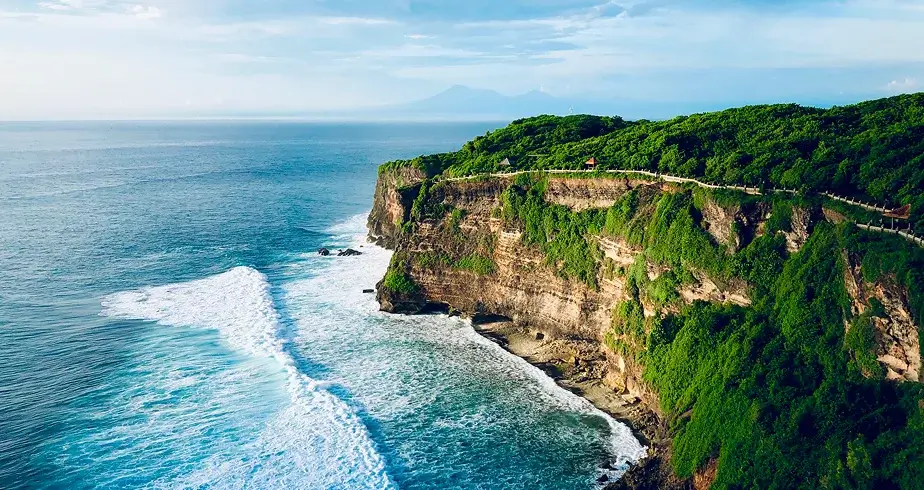
 Mediakit
Residences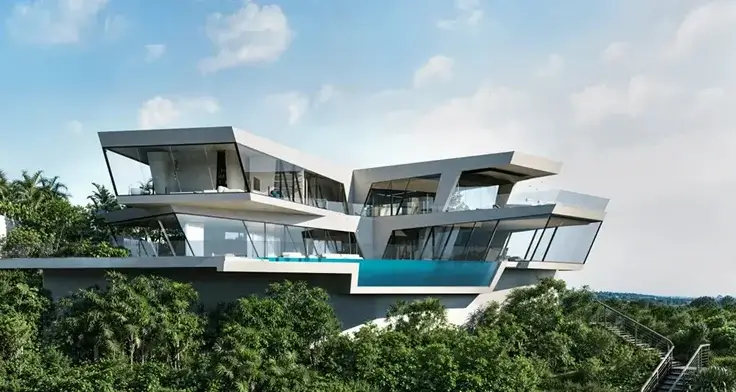
LifestyleSKYFALL
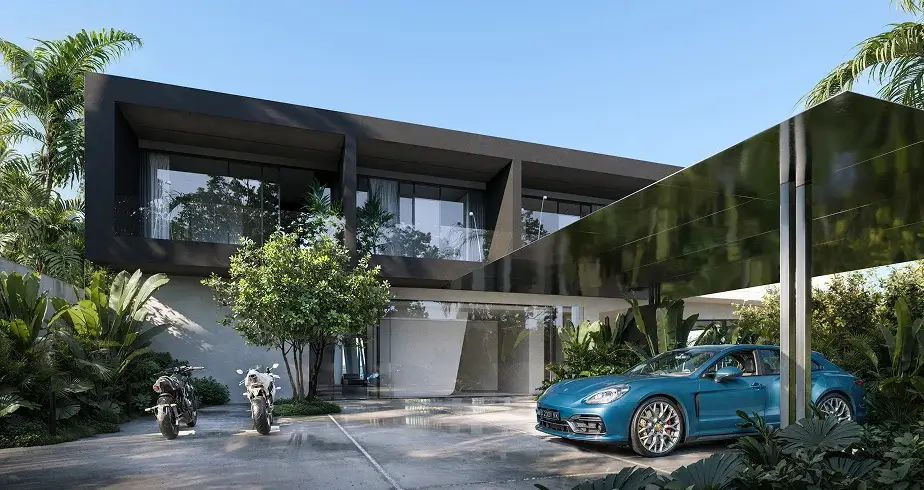
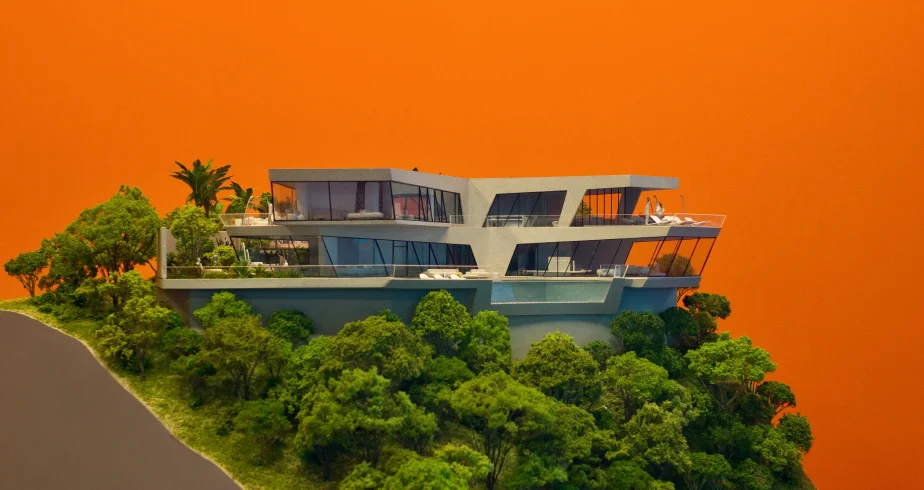
Cliff edge architectural residence
Bedrooms:
Five-bedroom house
House area:
1489 square meters
Land area:
1154 square meters
Status:
Available
MAYA
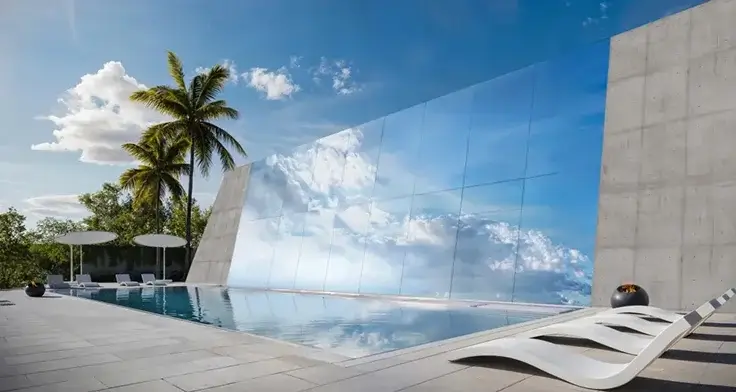
A brutalist villa inspired by the form of a sacred volcano
Bedrooms:
Five-bedroom house
House area:
1708 square meters
Land area:
1925 square meters
Status:
Available
NEBULA
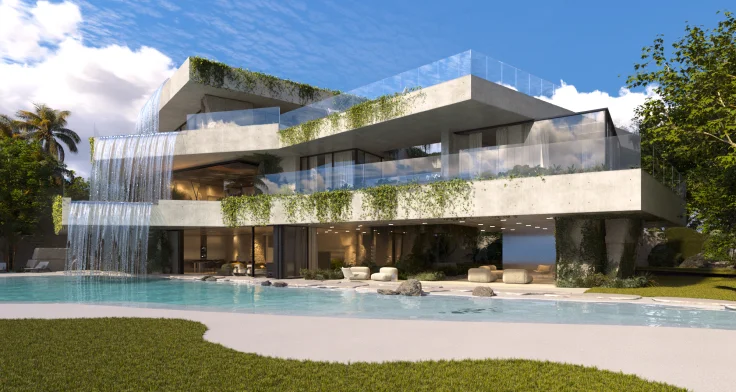
A concrete sculpture set within a garden of cascading water terraces
Bedrooms:
Five-bedroom house
House area:
1929 square meters
Land area:
2067 square meters
Status:
Available
WHITE ROCK
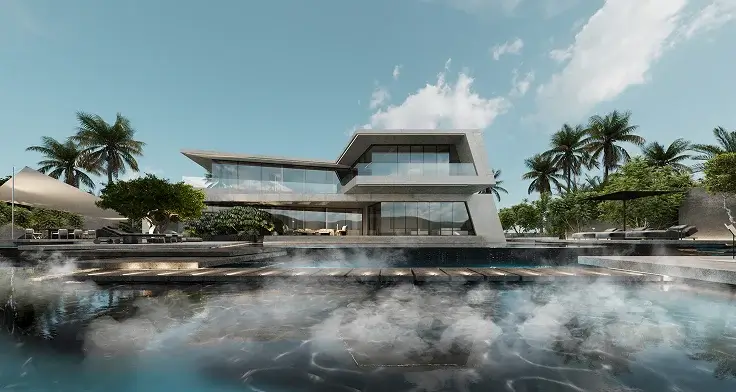
Natural estate created through stone, water, and light
Bedrooms:
Five-bedroom house
House area:
3088 square meters
Land area:
2132 square meters
Status:
Architecture & Planning
Serenity
Gella
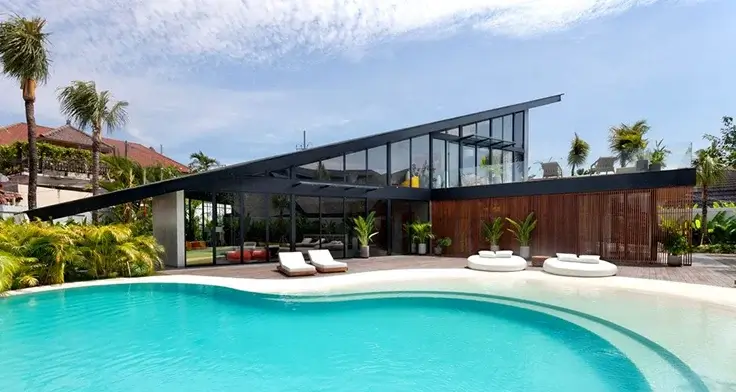
RIVER POINT
Blue lagoon landscape with tropical modernism residence
Bedrooms:
Five-bedroom house
House area:
665 square meters
Land area:
1120 square meters
Status:
Completed
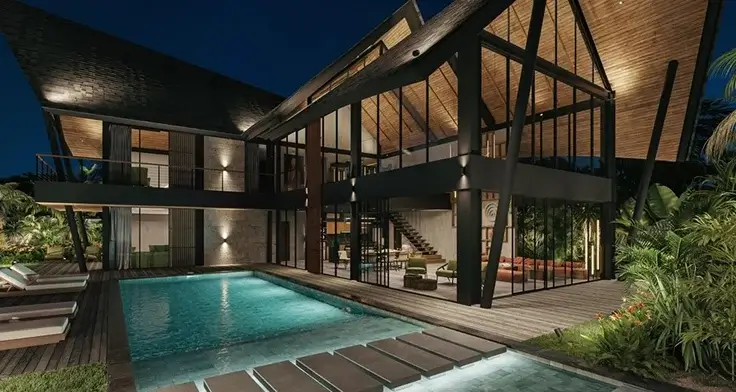
BARAKKA
Loft residence shaped by Asian mystique and meditation
Bedrooms:
Five-bedroom house
House area:
530 square meters
Land area:
1050 square meters
Status:
Available
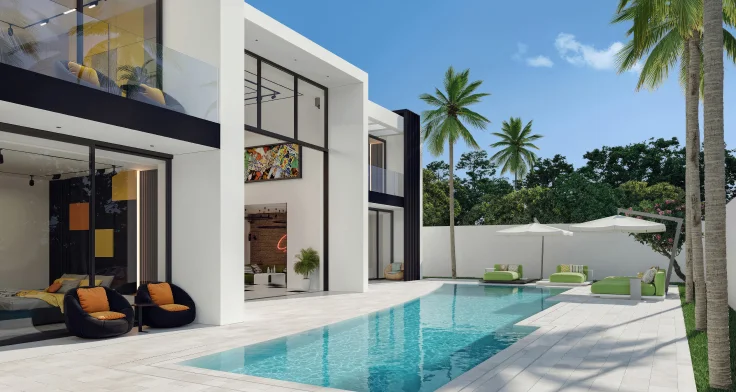
STUDIO 54
The place where DJ culture in every touch
Bedrooms:
Four-bedroom house
House area:
504 square meters
Land area:
895 square meters
Status:
Available
Anantara
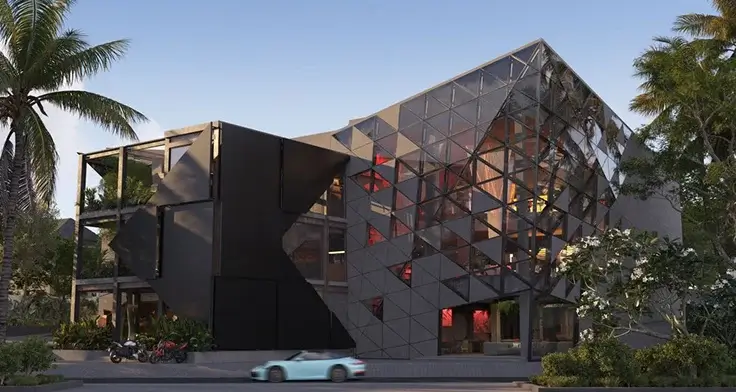
NEXUS
NEXUS
Creative lifestyle hub in Canggu
Coffee bar
•
Office
Restaurant
•
Art gallery
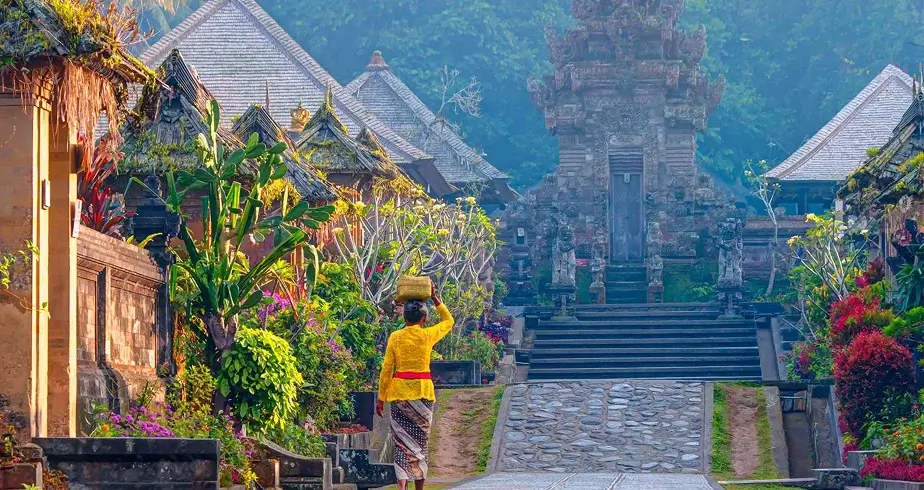
discover Indonesia
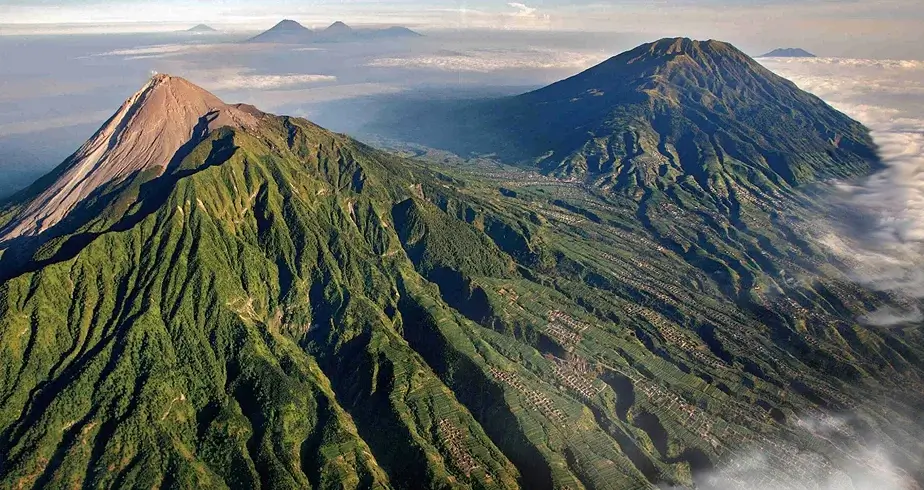
Indonesia at a glance and curated guides of Bali most distinctive destinations.
inspiration
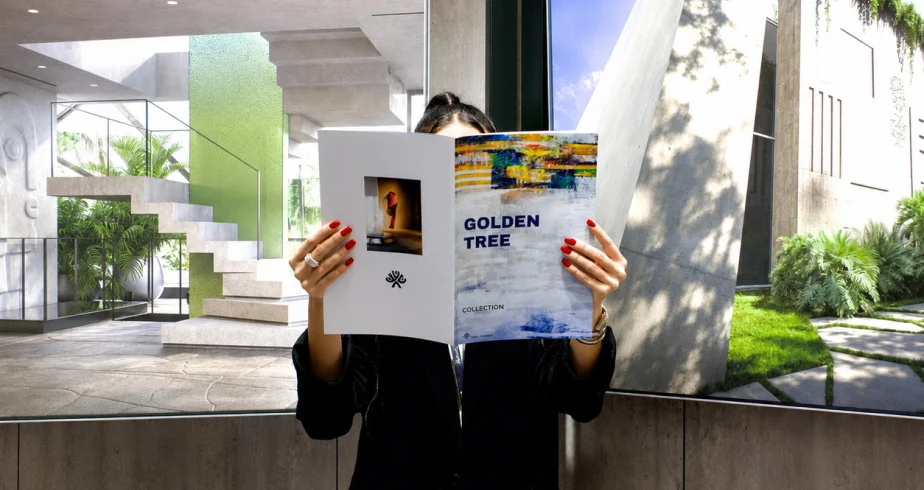
Every villa. Its own story. Its own art.
Bali. Uluwatu
Bali. Uluwatu
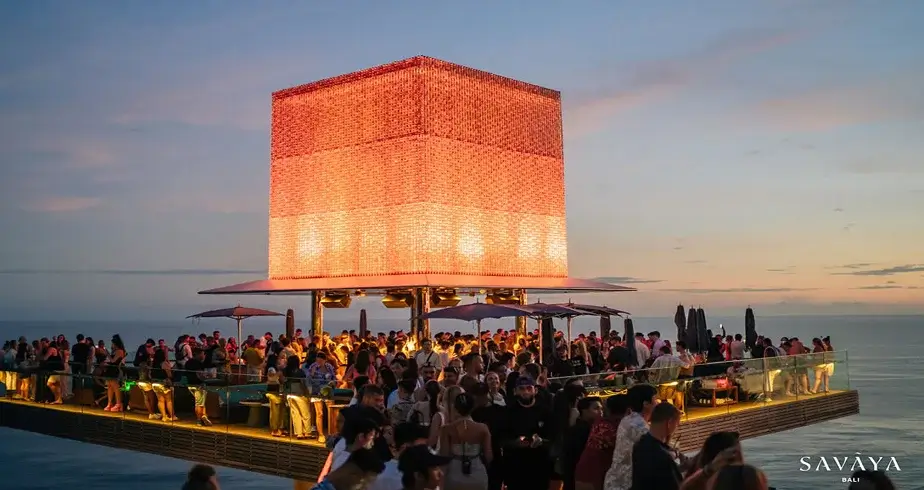
Experience life — where mornings begin with breakfast on a yacht, afternoons unfold on the golf course, and evenings end with ocean sunsets at a private restaurant.
Bali. Canggu
Bali. Canggu
Discover creative lifestyle, international community, restaurants, wellness spaces, beach clubs, infrastructure.


Key Points
Key Points
A practical guide to villa ownership in Bali — from legal structures and residence options to villa management, rental income, taxes, and long-term owner support.