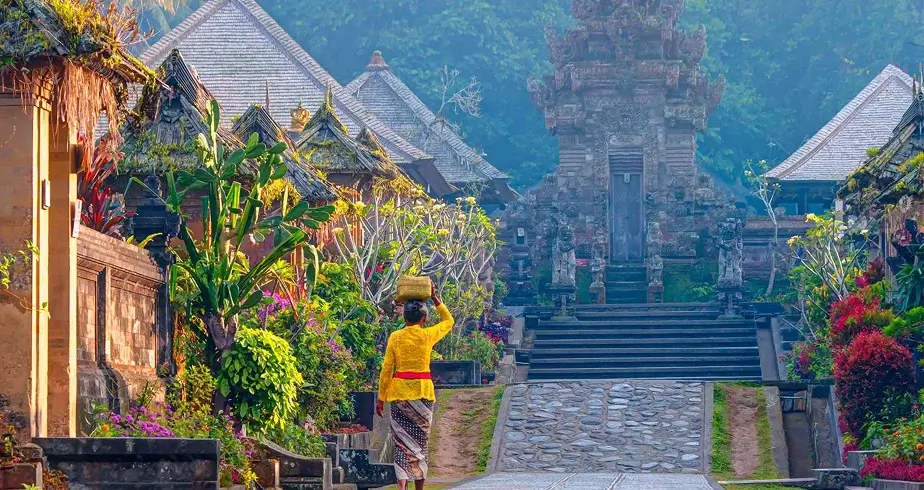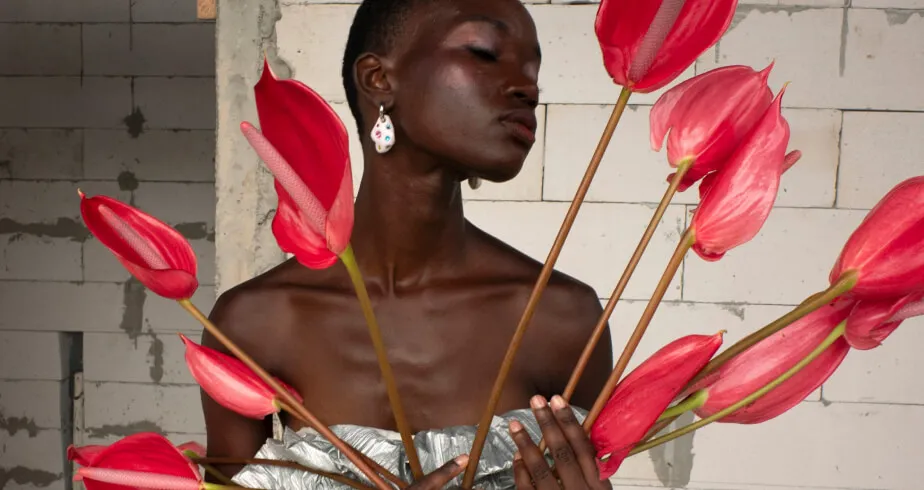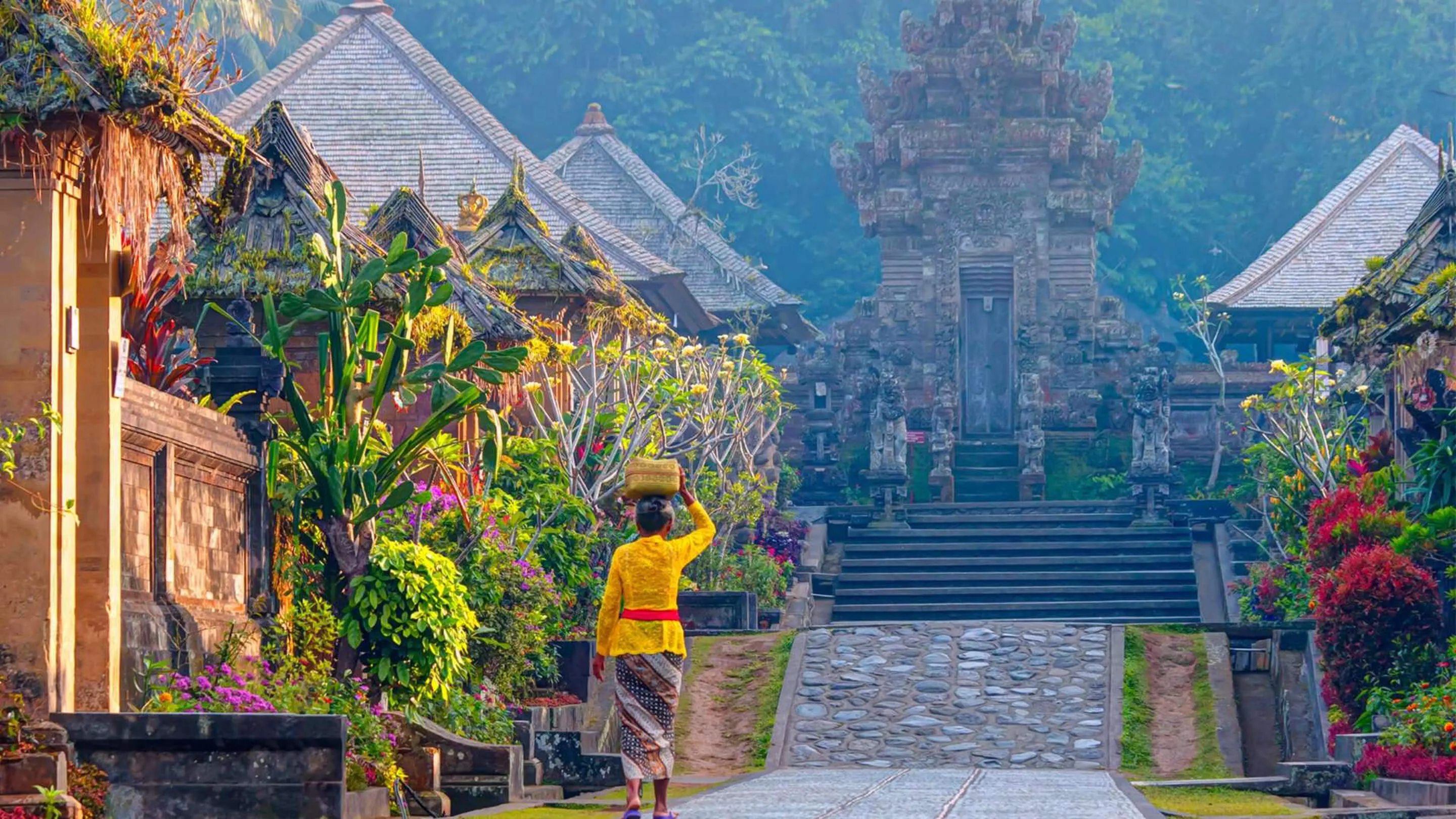
Ubud remains a place where the island preserves its authentic identity. Here, Bali reveals itself through tradition, nature, and inner depth — at a slower, more mindful pace, in contrast to the coastal areas.


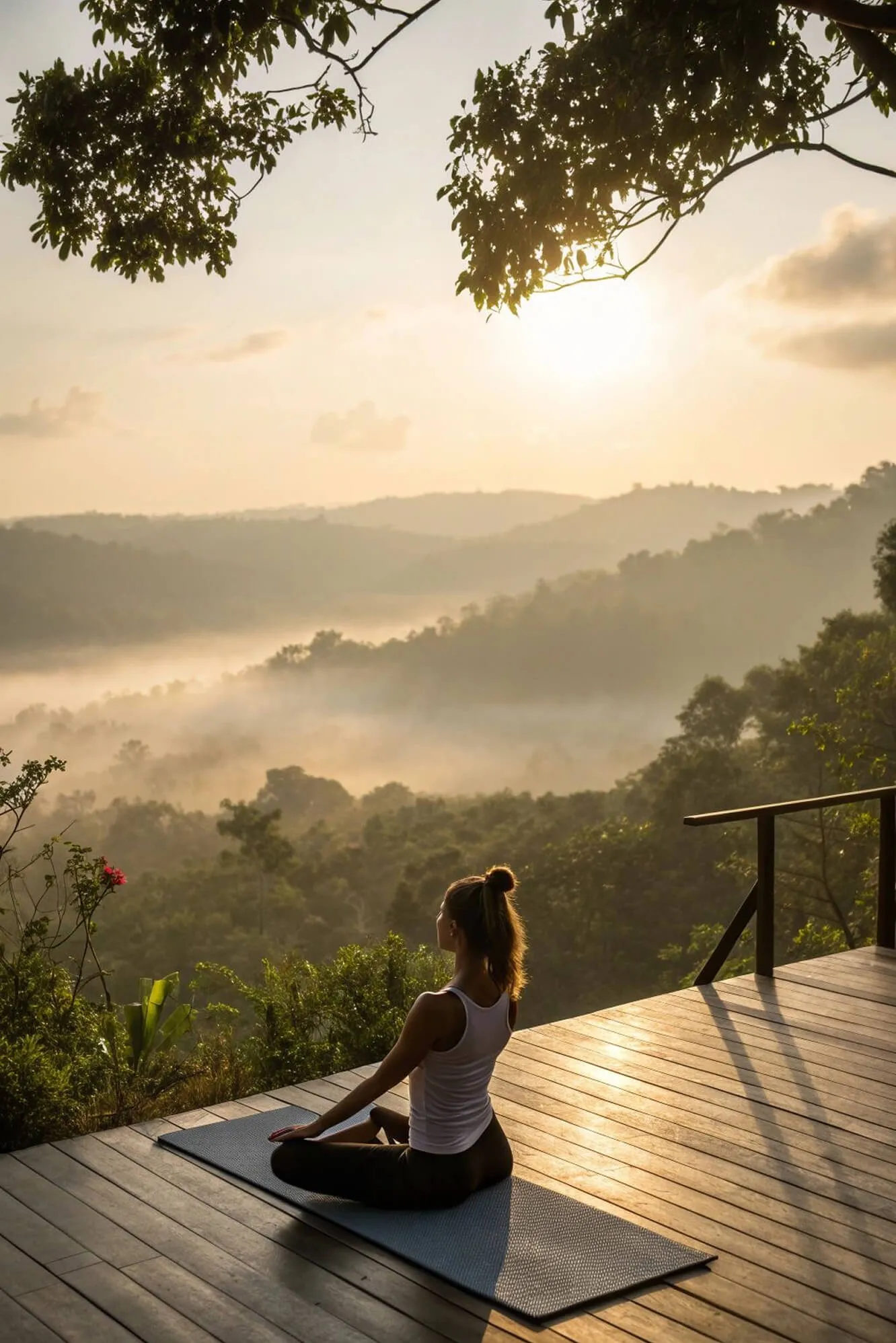
In Ubud, mornings begin with sunrise yoga — in silence, surrounded by humid air and the sounds of nature. During the day, walks through rice terraces shape the rhythm of life. A stop at Zest Ubud for lunch offers a conceptual healthy café with plant-based cuisine, where dishes recreate the flavors and textures of meat and fish through vegetables, composition, and thoughtful presentation. In the evening, dinner at the Maya Resort restaurant is accompanied by traditional Balinese dance performances such as Legong, Barong, and Kecak, creating an immersive cultural experience.

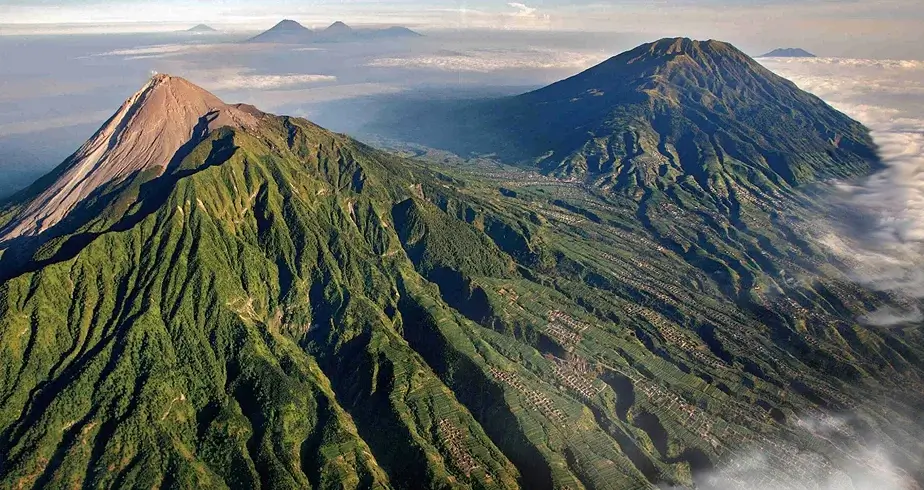
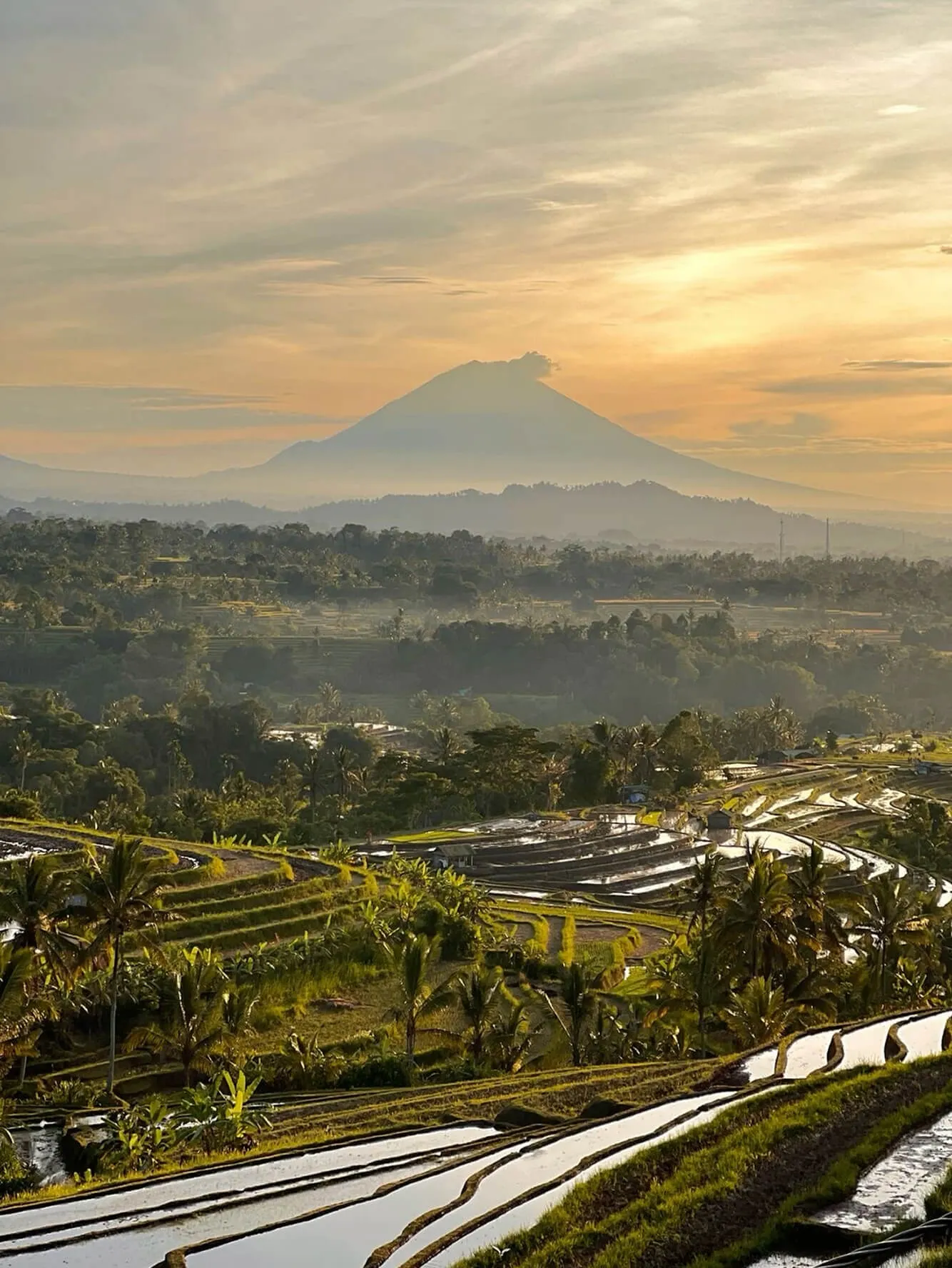
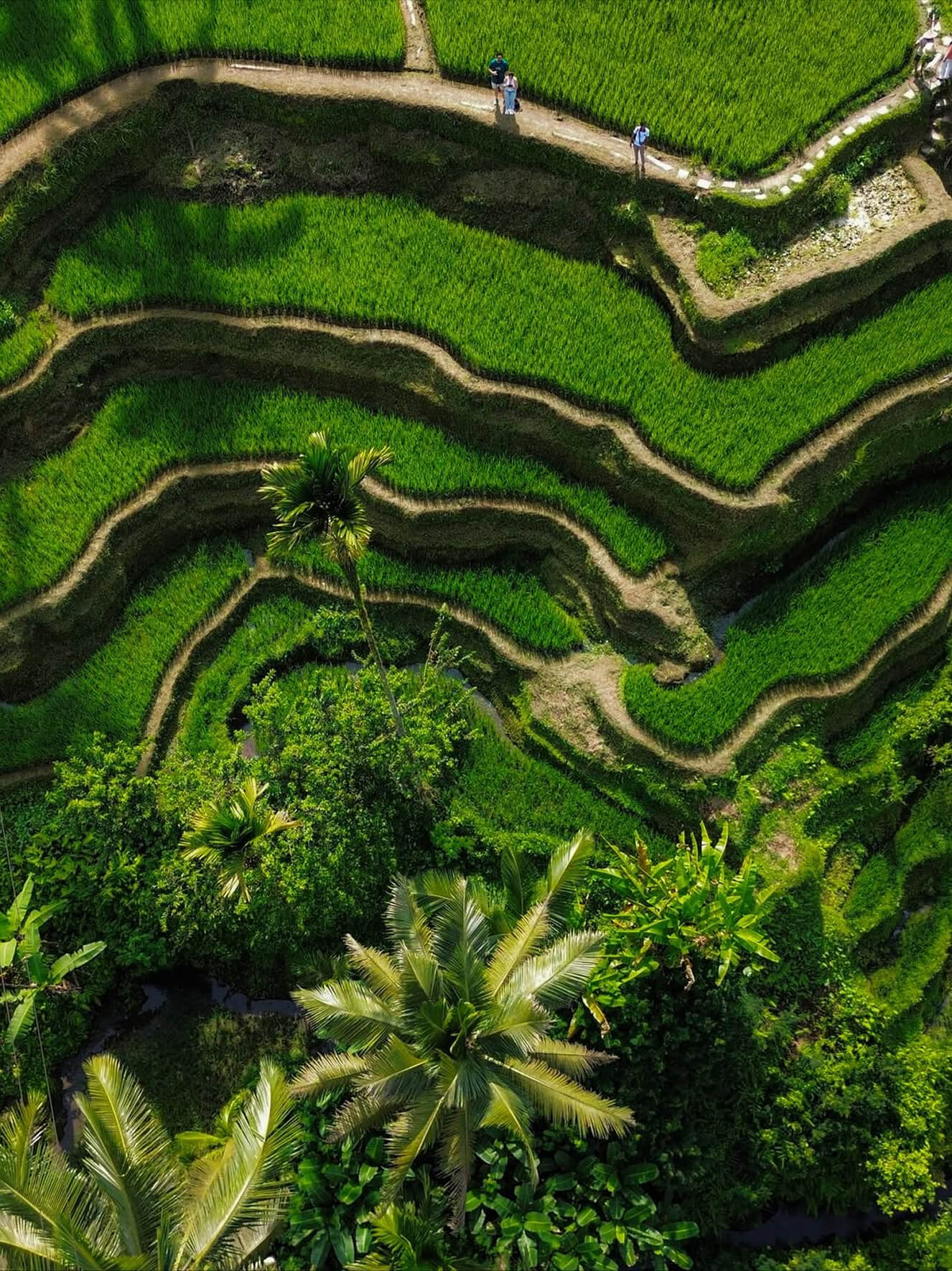
Ubud is known for its multi-layered rice terraces. These landscapes change throughout the season, shifting from vibrant green tones to golden hues.
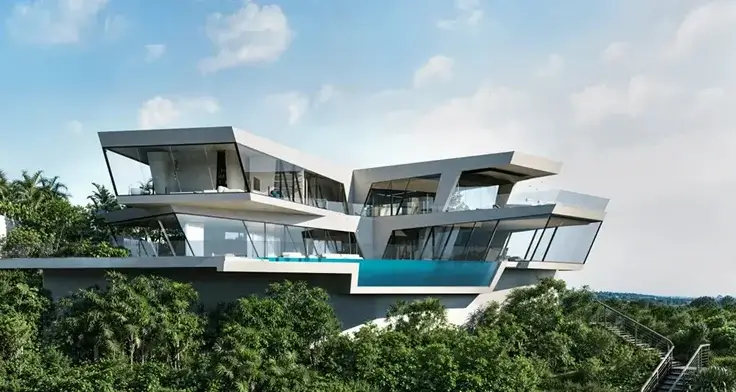
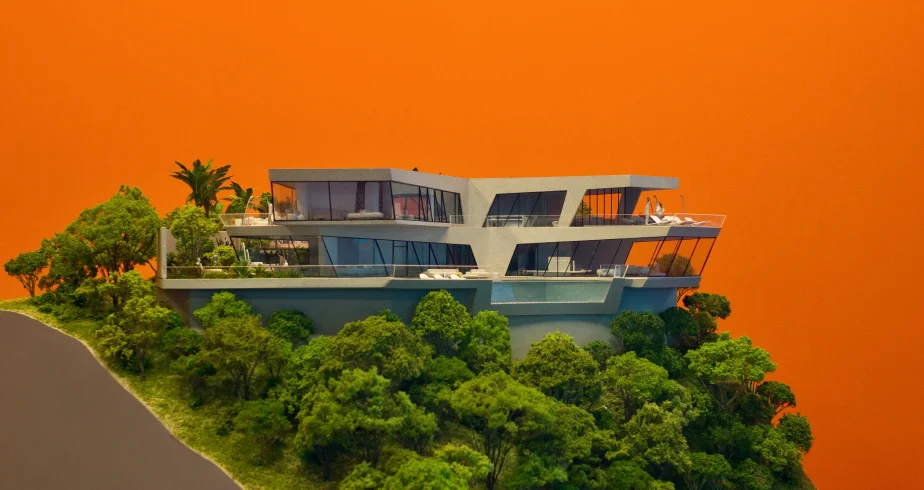
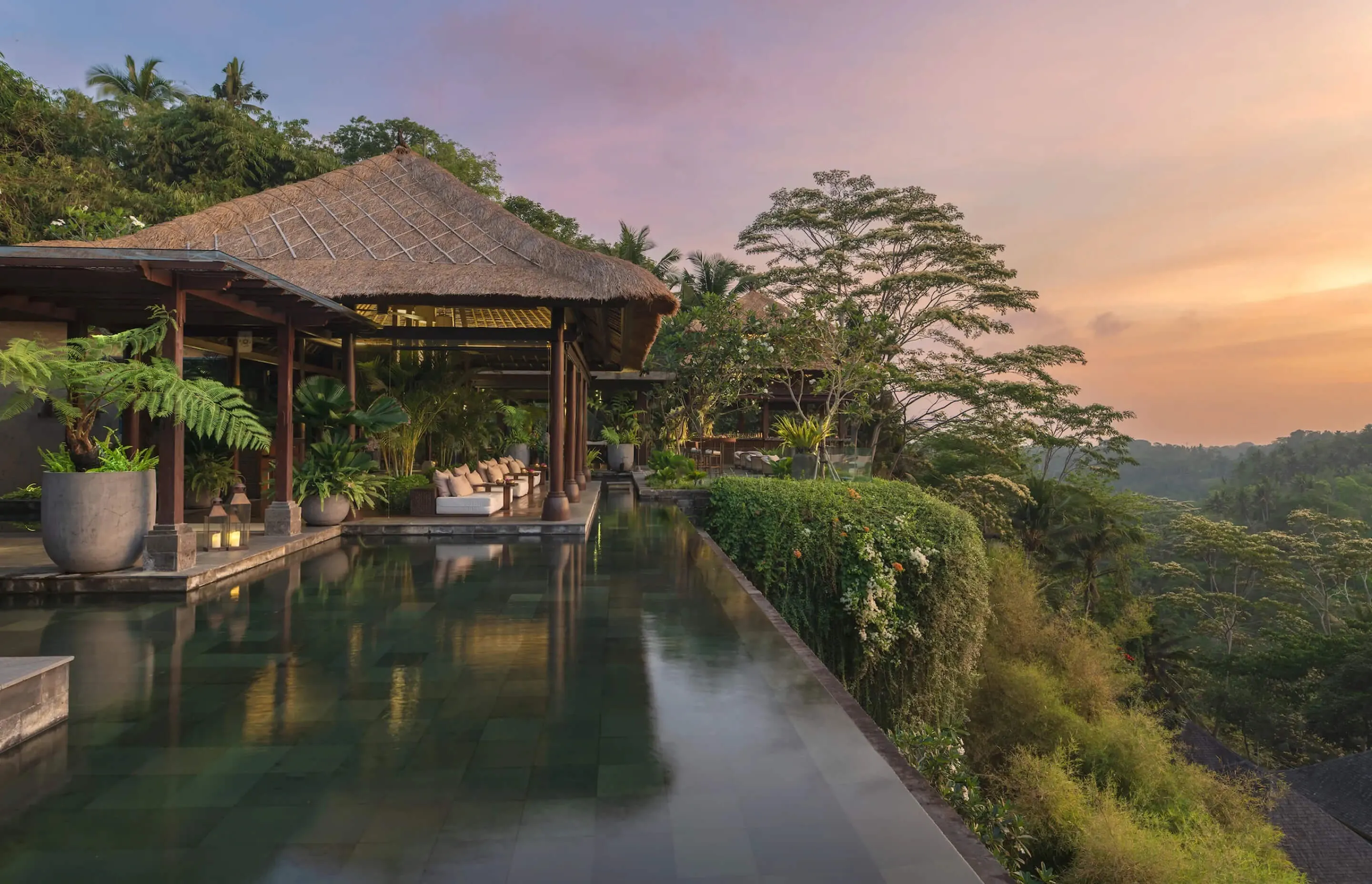
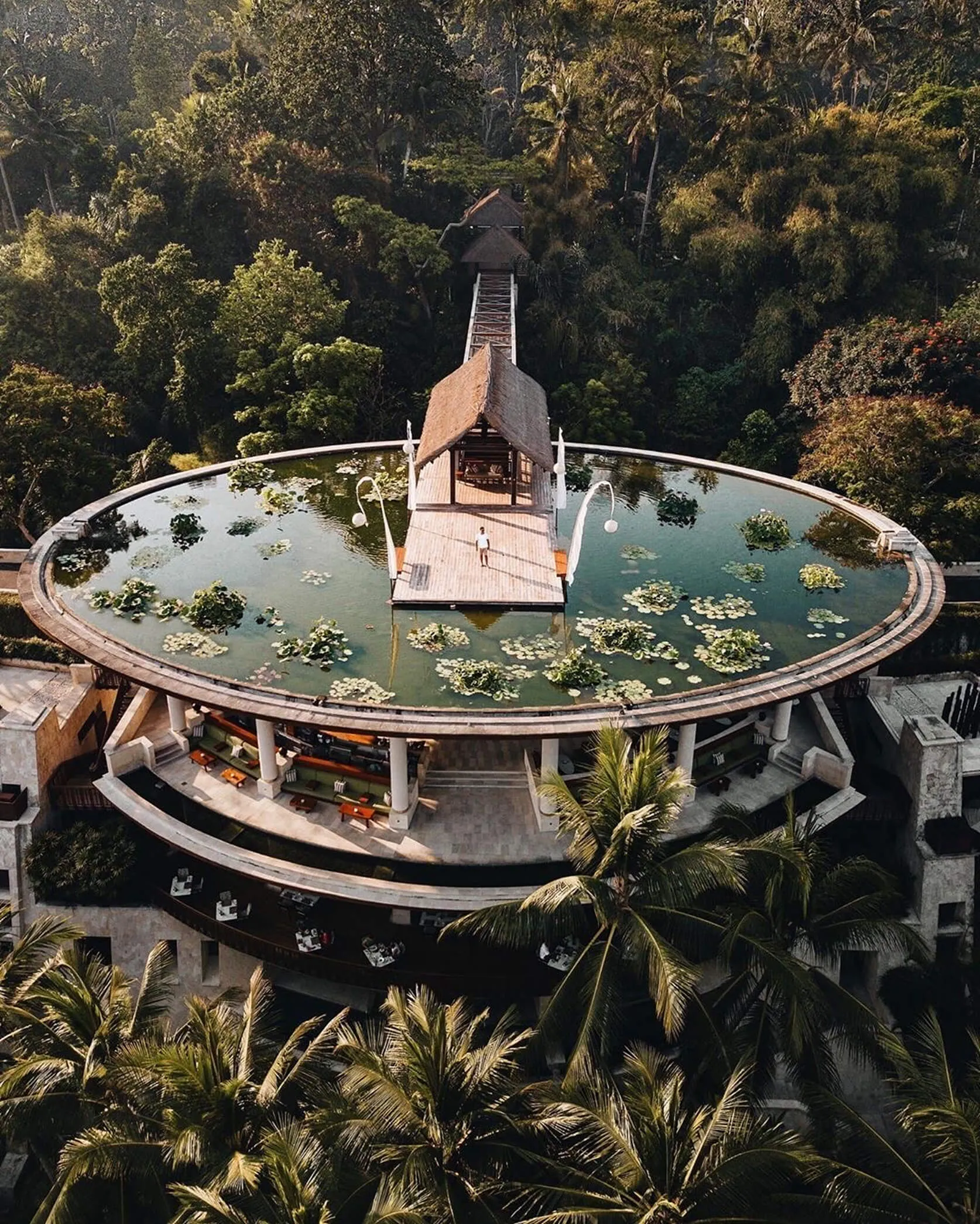
To the northwest of the town runs a road along a gorge at the bottom of which flows the Ayung River. Along the edge of the gorge are some of the region’s most private and high-end hotels — The Ritz-Carlton Bali and Four Seasons Resort Bali at Sayan. Their architecture is integrated into the hillside, with villas and terraces seemingly suspended above the jungle.
Ubud’s climate is tropical and humid, with gentle rains and frequent morning mist.
Ubud is considered one of the world’s capitals of spiritual and somatic practices. It has developed a strong ecosystem of internationally recognized yoga centers. The Yoga Barn is one of the most well-known yoga centers in Asia. Set within a jungle environment, it features multiple studios, retreats, sound healing practices, and restorative programs. Fivelements Retreat Bali is a premium wellness retreat located on the banks of the Ayung River. It offers yoga, detox programs, spa treatments, cleansing ceremonies, and a holistic approach to restoration and well-being.

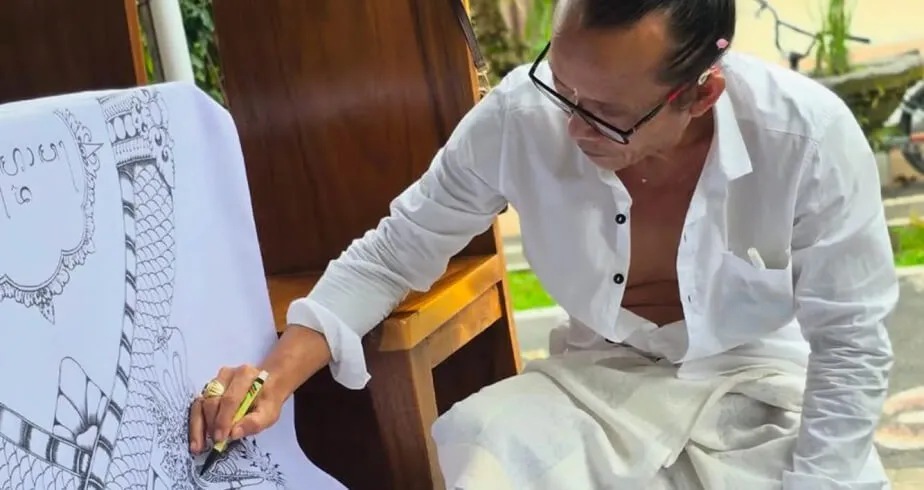
Ubud is the cultural heart of Bali, where the island’s authentic atmosphere is still preserved: ancient temples, daily ceremonies, traditional offerings, and craft workshops. Small art shops, galleries, and local studios create a vibrant artistic environment.

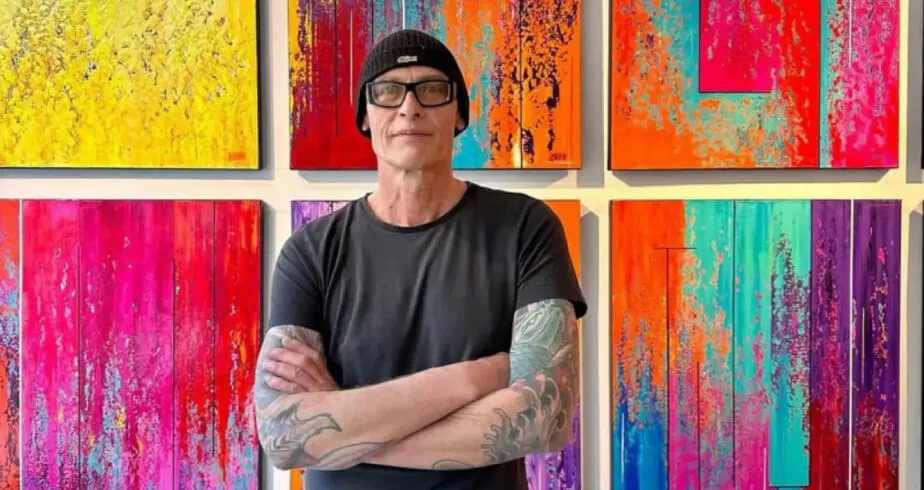
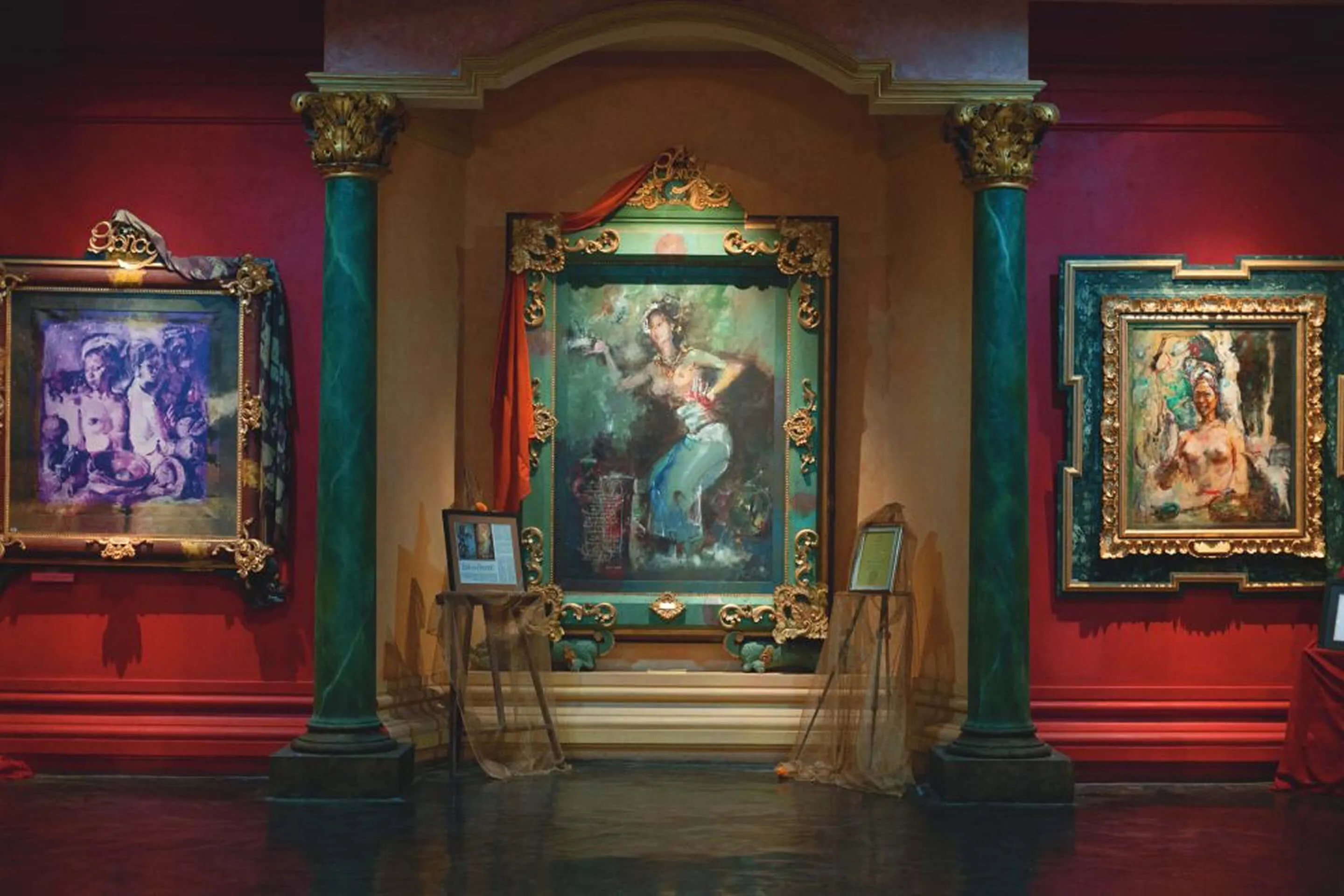
Among the key places are Tony Raka Art Lounge and The Blanco Renaissance Museum.
Tony Raka Art Lounge is one of the most popular art spaces in Ubud. It features a carefully curated collection of paintings and objects that reflect the evolution of Indonesian art — from traditional motifs to contemporary interpretations. The space combines a gallery, café, and garden, creating an atmosphere where art becomes part of the experience and the natural rhythm of Ubud.
The Blanco Renaissance Museum is the former residence of the artist Antonio Blanco, a European who moved to Bali and deeply embraced the local aesthetic and way of life, largely inspired by his wife — a Balinese dancer. It is here that he created many of his works.

Is one of the most famous rice terraces in Bali, located just 20 minutes from Ubud. It features cascading hillsides covered in vibrant green rice fields. The terraces are cultivated using the traditional irrigation system known as Subak, which is recognized as a UNESCO World Heritage cultural landscape.

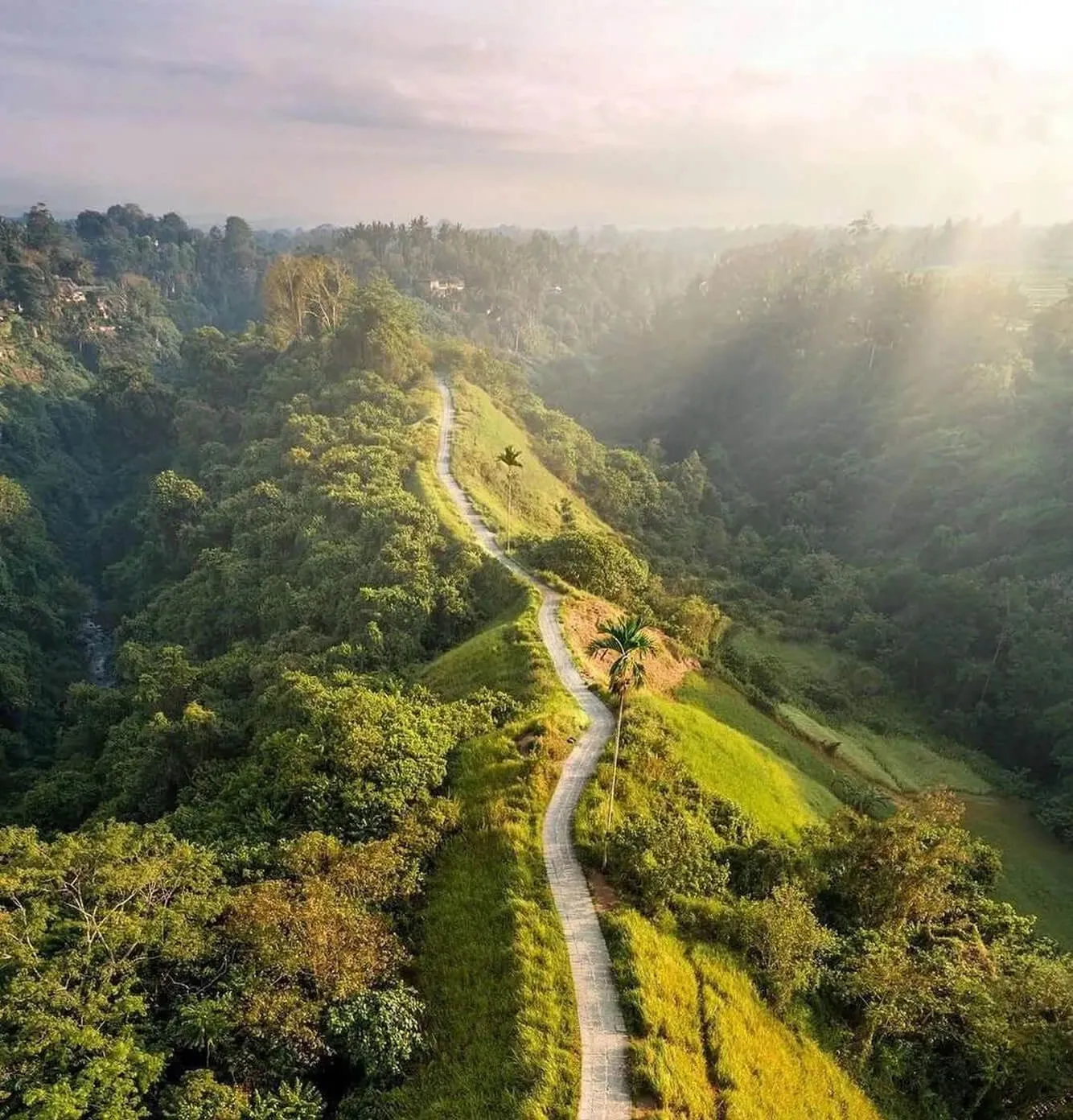
Is a scenic walking trail approximately 2.7 km long, running above valleys and dense jungle. The route follows a narrow hill ridge, which is where its name comes from. At the beginning of the path is Pura Gunung Lebah, one of the oldest temples in Ubud. It features traditional Balinese architecture: stone gates, stepped pathways immersed in greenery, and a deeply sacred atmosphere. Along the trail, panoramic views open onto green hills, jungle canopies, and rice valleys. The place is valued for its silence — within minutes of starting the walk, the urban rhythm fades into a sense of seclusion and close connection with nature.

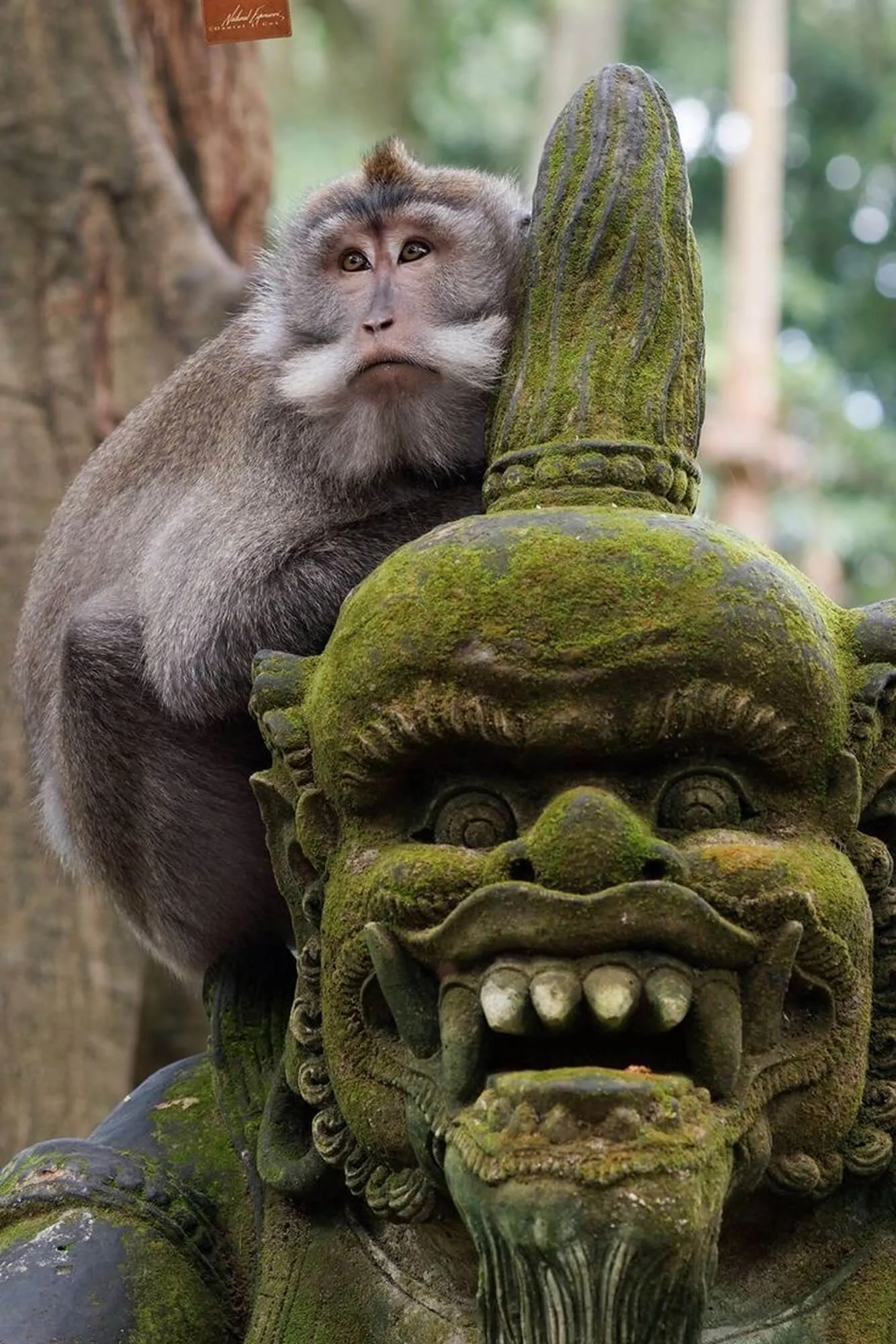
Is a sacred tropical forest located in the heart of Ubud. The site is home to three 14th-century Hindu temples, still used today for ceremonies and rituals. The forest is an integral part of the Tri Hita Karana philosophy — the harmony between humans, nature, and the spiritual realm. More than 1,200 long-tailed macaques live within the sanctuary. They move freely throughout the area and are considered a sacred part of the forest ecosystem. Ancient banyan trees, moss-covered stone temples, and dense tropical vegetation create the feeling of an ancient, living world located directly in the center of Ubud.


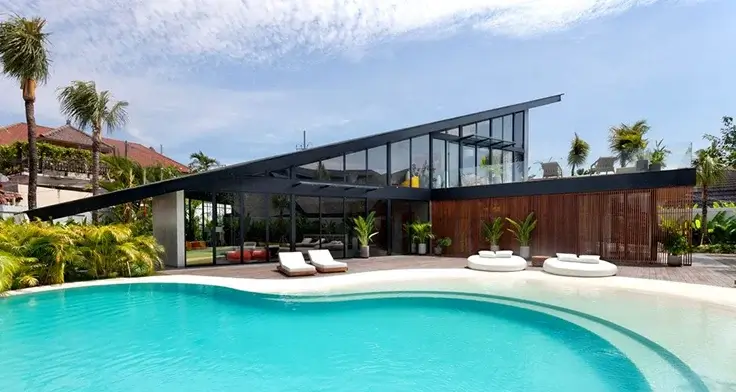
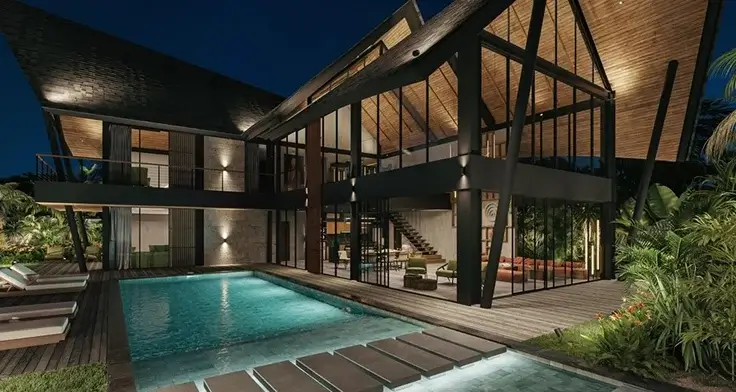
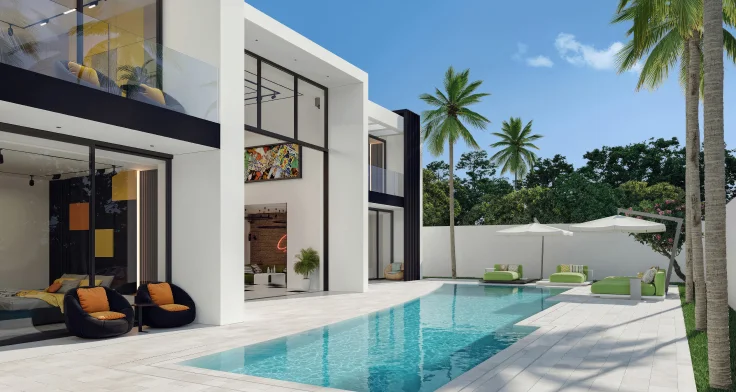
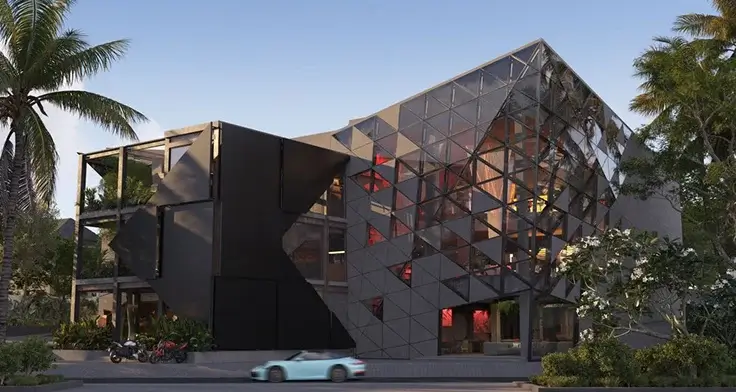
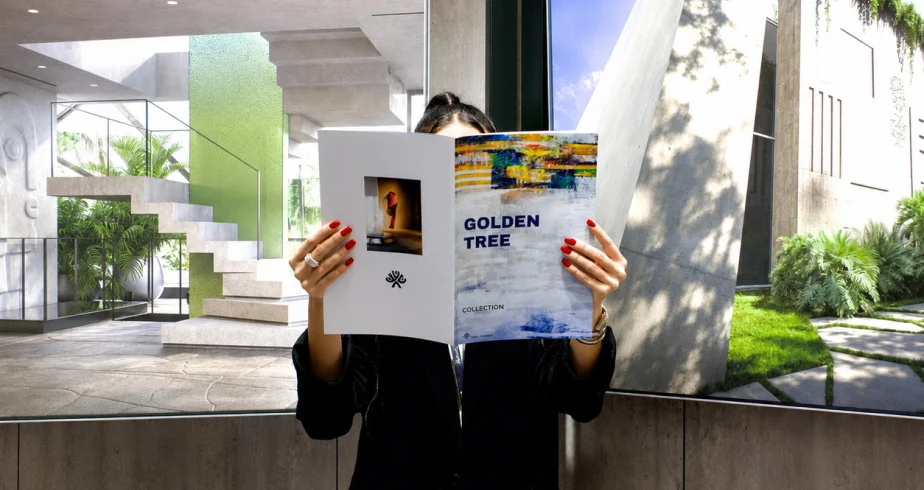
Established in Bali in 2021, Golden Tree Capital is committed to setting elevated benchmarks in villa construction, through unique design and exceptional quality.
Each new project is a fusion of experience and fresh perspectives, fostering diverse partnership opportunities with top-tier professionals.