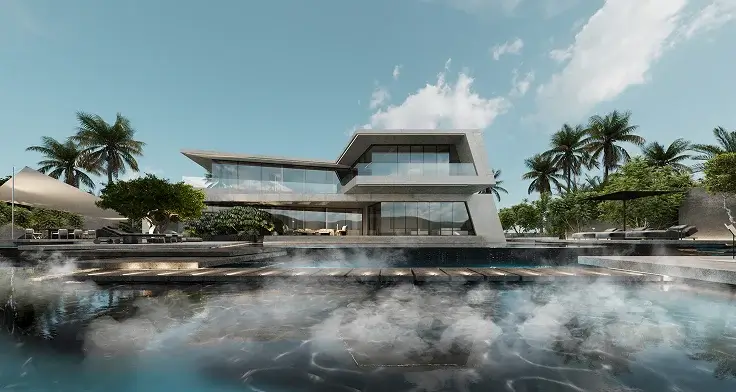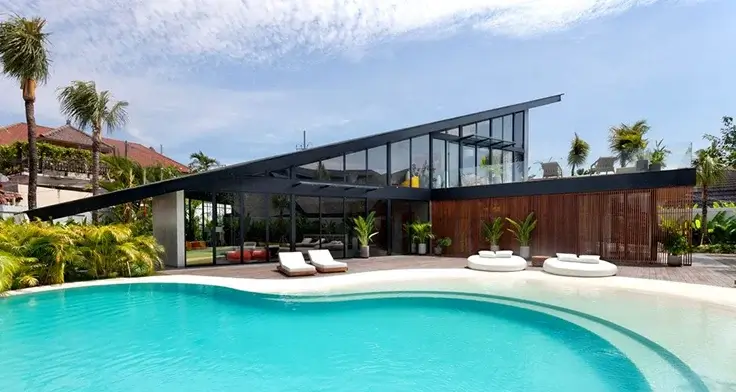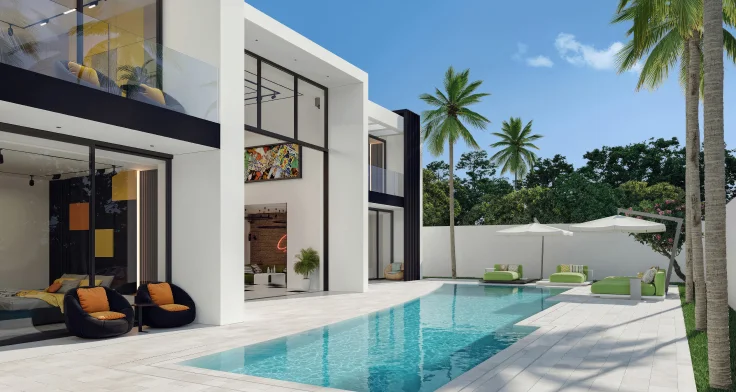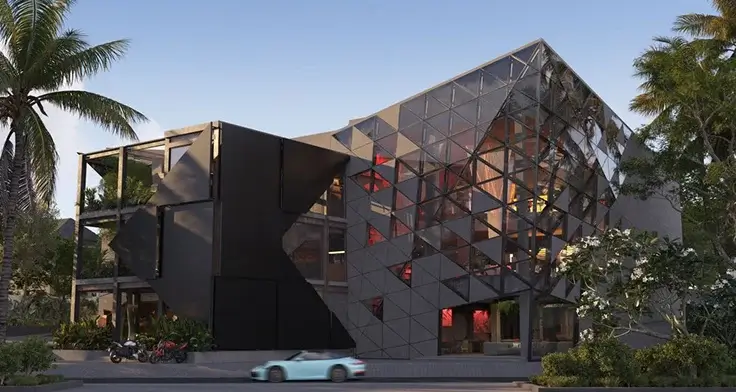

Depending on the purpose of acquiring real estate, the investment horizon, the intended use of the property, and the buyer’s legal status, Indonesian legislation provides several lawful mechanisms for foreign investors to own and use real estate.
The most common form of real estate ownership for foreign nationals in Bali is long-term leasehold. Under this structure, the investor receives the exclusive right to possess and use the property for the period specified in the lease agreement, with the possibility of extension in accordance with the terms agreed by the parties. The lease term typically ranges from 25 to 80 years, depending on the transaction structure and the conditions of the specific project.
Foreign nationals who meet the requirements of Indonesian legislation may acquire the right to use real estate under the Hak Pakai title, in cases and under conditions provided by applicable law. This right is subject to state registration and provides legal possession and use of the property for a defined period.
For investors considering real estate as a commercial asset, Indonesian legislation provides the possibility of establishing a foreign investment company, known as a PT PMA, and structuring property rights on a freehold basis. Such a company may be used for activities related to property management, leasing, hospitality, development, and other business activities permitted under Indonesian law. Depending on the nature of the business and the structure of the project, the company may acquire rights to land plots and real estate assets as provided by law for the purpose of carrying out its commercial activities.
The optimal investment structure is determined individually, taking into account: the investor’s citizenship and legal status; the purpose of acquiring the property; the intended holding period; the planned use of the property; tax implications; the requirements of applicable legislation. Before entering into a transaction, the buyer may receive a consultation regarding the available options for structuring the investment and legally formalizing real estate ownership in Indonesia. Golden Tree recommends that every foreign investor engage an independent legal and tax advisor to confirm the selected transaction structure and assess its compliance with the buyer’s investment objectives.
for Entry into Indonesia
Visa requirements for entry into Indonesia depend on the traveler’s country of origin. Visitors are advised to check the applicable visa requirements in advance, as entry may be granted through a Visa on Arrival (VoA), an Electronic Visa on Arrival (e-VoA), or a visa obtained prior to arrival.
Short-Term Entry Visas
This visa can be obtained upon arrival at the airport or seaport.
An electronic visa on arrival that can be conveniently applied for online prior to travel.
Typically allows a stay of 30 days, with the option to extend once for an additional 30 days (for a maximum stay of up to 60 days).
Citizens of any country may apply for long-term residence visas, subject to Indonesian immigration requirements.
Eligibility depends on the applicable visa category and the legal structure of property ownership or shareholding in an Indonesian legal entity, in accordance with Indonesian immigration regulations.
Where property is acquired under a freehold structure, the buyer becomes a shareholder of a company incorporated in Indonesia, which entitles the buyer to apply for an Investor KITAS. KITAS is a temporary residence permit that allows foreign nationals to legally reside in Indonesia for a period of up to two years, to enter and exit the country without numerical limitation, and to sponsor eligible family members under a Family KITAS.
Where property is acquired under a leasehold structure, the buyer may apply for a Second Home Visa, which grants the right to legally reside in Indonesia for a period of five (5) or ten (10) years. This visa is renewable, allows multiple entries, and requires either a minimum bank deposit of USD 130,000 or ownership of qualifying property. The Second Home Visa is intended for foreign nationals seeking long-term residence in Indonesia, does not confer the right to work, and allows the holder to sponsor their spouse and dependent children.
All our villas are operated by a high-level professional property management company.
Property promotion and marketing
Booking management
Repair and restoration work
Technical and engineering support
Guest check-ins and check-outs
Cleaning and housekeeping services
Accounting and expense management
Regular monitoring of the villa’s technical and operational condition
Management and advertising fee: 20%–25% of rental income, depending on the management company.
Maintenance fee: calculated based on the scope of required services.
The management company provides monthly financial reports and settles all rental related expenses and taxes before transferring the owners net income directly to their bank acount
During rental periods, the owner must inform the management company in advance about personal use so the dates can be blocked.
If the villa is not rented out, advertising and booking services may be suspended, while management and maintenance services remain active.
Property acquisition and ownership in Indonesia are subject to certain taxes, depending on whether the property is used for personal purposes or rental, and whether it qualifies as a luxury residential asset under Indonesian tax regulations.
Buyer’s Acquisition Tax (BPHTB)
A one-time tax payable by the buyer upon property acquisition.
Luxury Goods Sales Tax (PPnBM)
Applies if the property is classified as a luxury residential asset. Properties are generally considered luxury when the transaction value exceeds approximately IDR 30 billion (around USD 2 million), subject to assessment by the Indonesian tax authority.
This tax applies only to the primary sale and is non-recurring.
Land & Building Tax (PBB)
An annual tax based on the government-assessed value of the land and building. For a 1,000 sqm land plot with a 500–1,000 sqm villa, estimated annual PBB typically ranges between USD 300 and USD 900, depending on location and assessed value.
Rental Income Tax
Applies to gross rental income applies when the property is leased to third parties.


Established in Bali in 2021, Golden Tree Capital is committed to setting elevated benchmarks in villa construction, through unique design and exceptional quality.
Each new project is a fusion of experience and fresh perspectives, fostering diverse partnership opportunities with top-tier professionals.