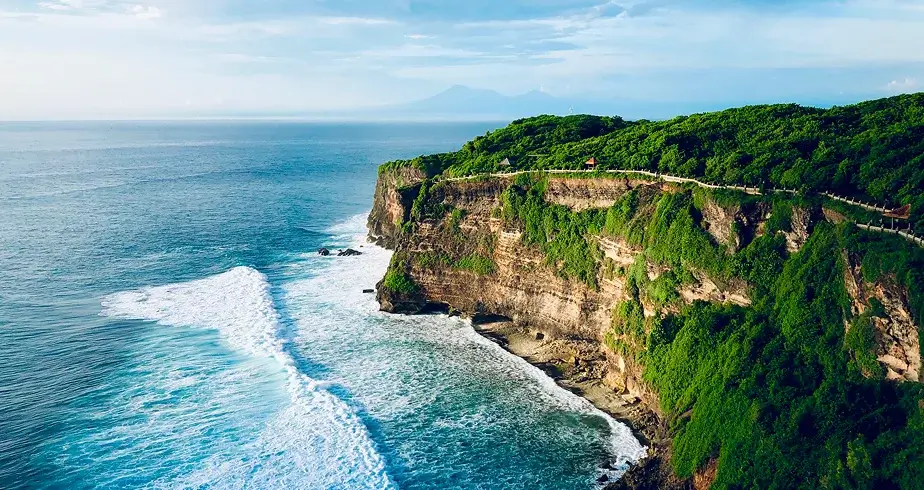
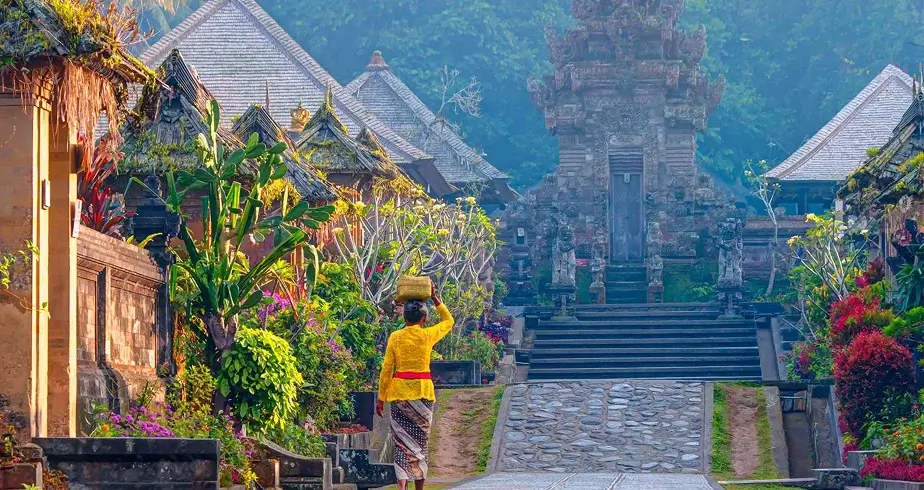
Golden Tree was founded and operates in Indonesia, on the island of Bali. For us, Bali is not simply a location. It is a source of inspiration — an endless layer of images, meanings, and states of being. The island’s extraordinary nature, ancient culture shaped by mysticism, rituals, and symbolism, as well as its unique way of life, form the foundation of our worldview and architectural approach.
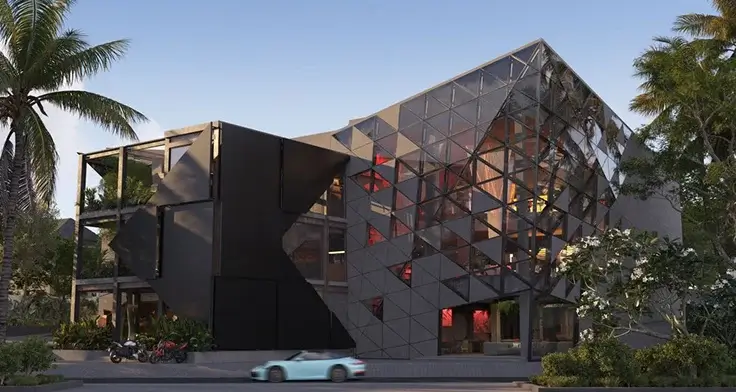
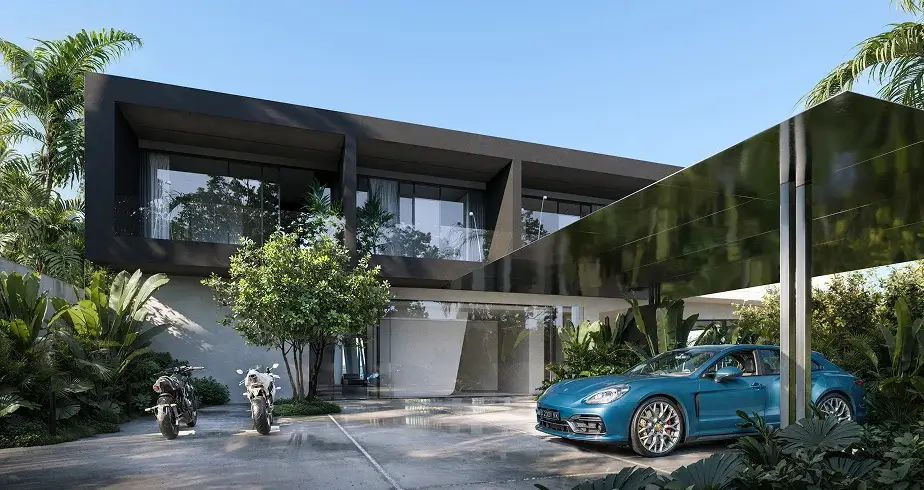
Inspired by this context, we do not seek to literally reproduce traditional Balinese forms. Instead, we explore new spatial scenarios, expressive forms, and a contemporary language through which Bali can be interpreted in a different way. Our approach is dynamic, futuristic, and often intentionally unconventional. Yet behind every visual form, there is meaning — connected to the island, its cultural code, and a deeper sense of place.
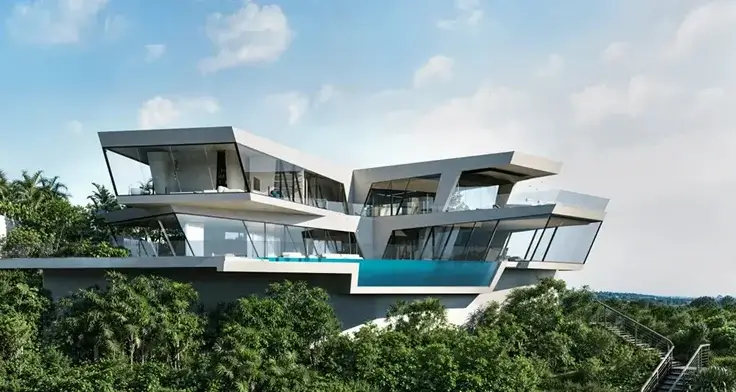
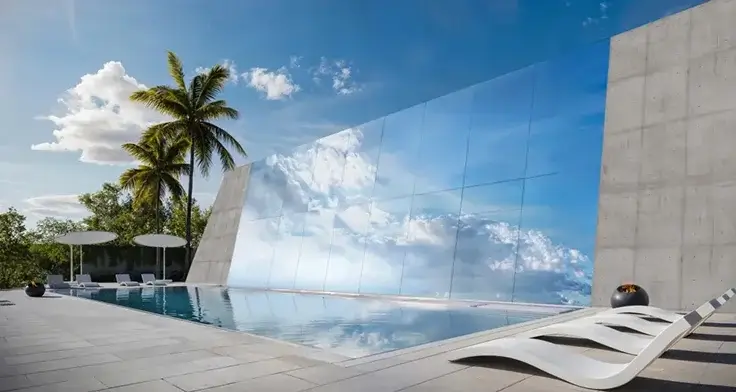
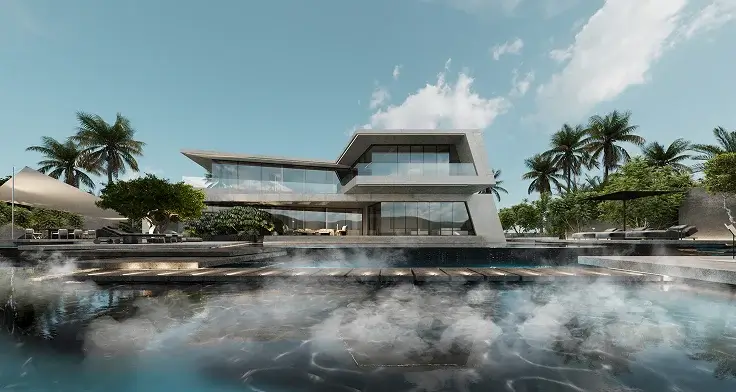
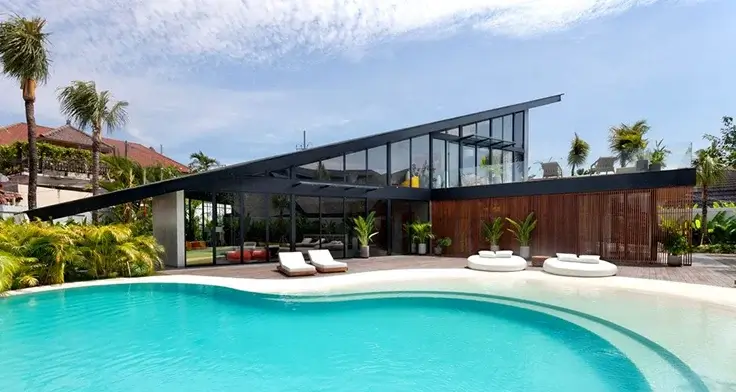
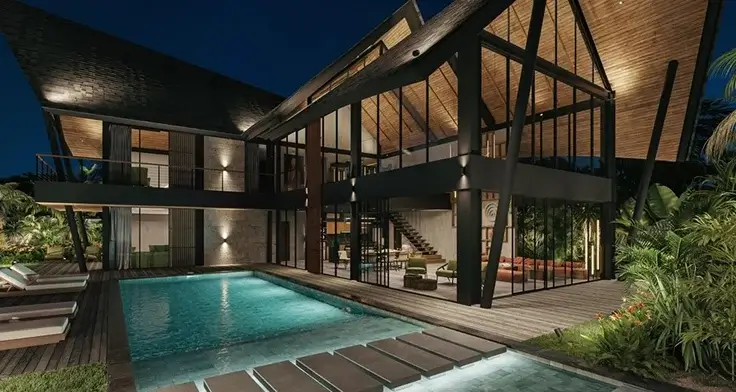
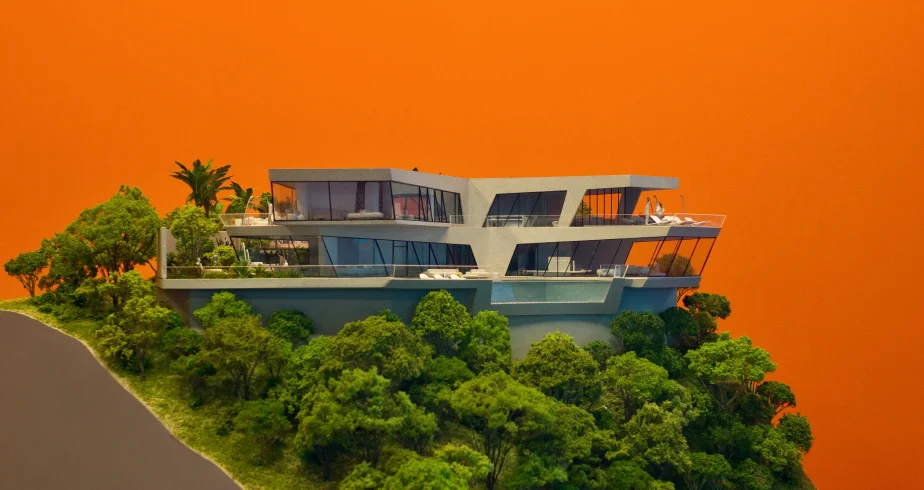
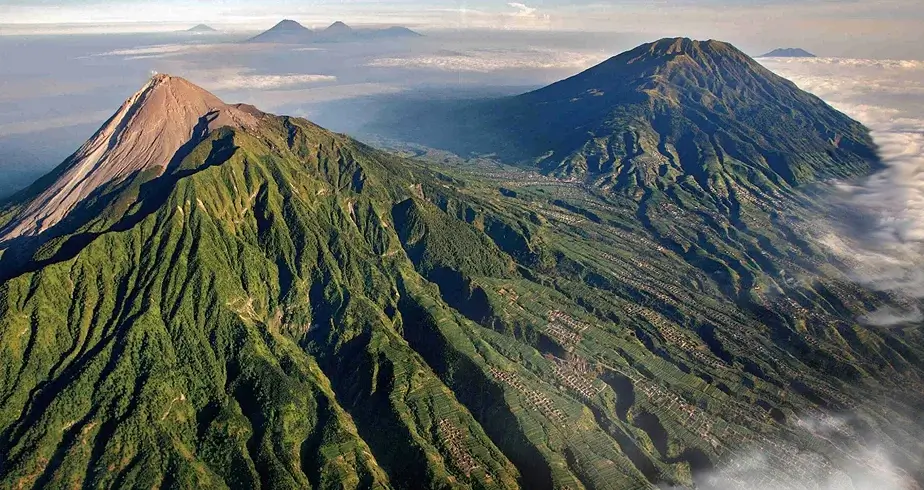
Each project becomes an attempt to reinterpret local identity through contemporary architecture. Sometimes this connection is expressed clearly — as in Villa Maya, whose form is inspired by Bali’s sacred volcanoes and the silhouettes of local temple roofs. In other projects, it appears more subtly and abstractly — as in Villa Nebula, which is based on the geological structure of the Bukit Peninsula landscape.
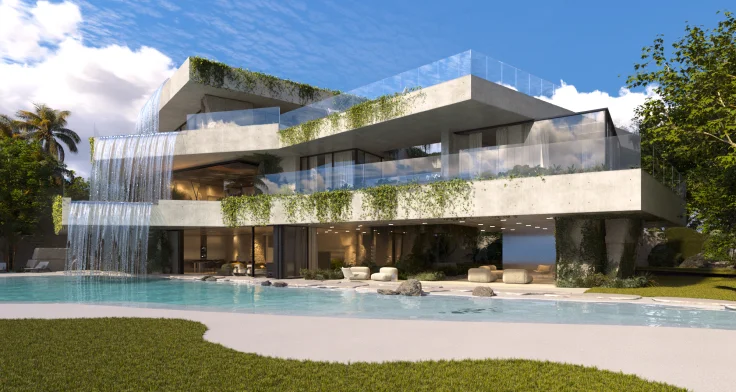
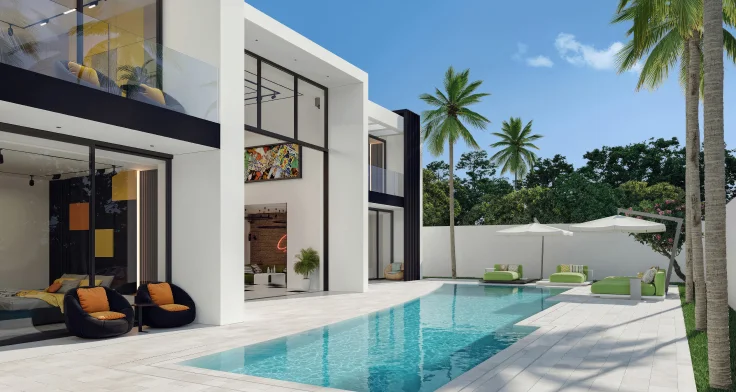
In White Rock, the local limestone became the foundation of the entire architectural concept. The villa’s interior and exterior are formed by massive slabs of natural stone, which seem to intuitively define the plasticity and detailing of the space. The entire villa is perceived as a living part of the island’s natural ecosystem — not an object placed within the landscape, but an extension of it.
Our main challenge is to use architecture to convey not only the aesthetics of a space, but also the more subtle aspects of local culture, the island’s perception of life, and its emotional state. We are constantly searching for new ways to make this connection deeper and more tangible.
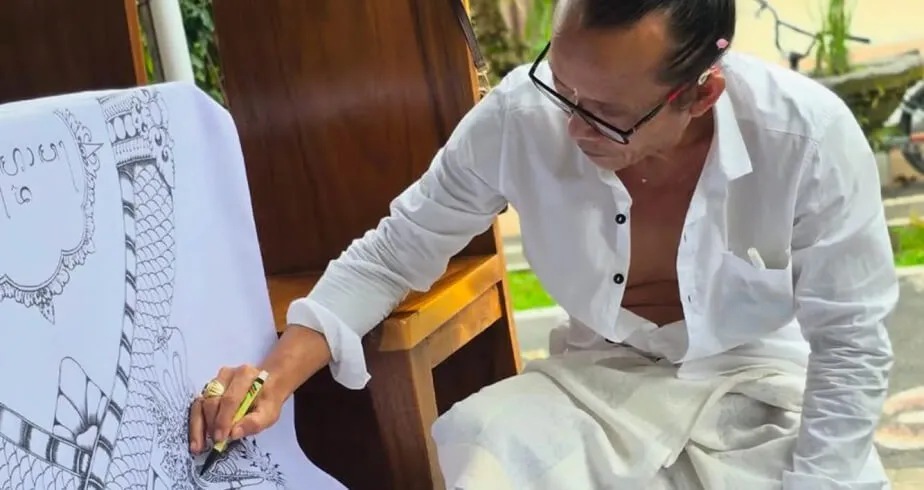
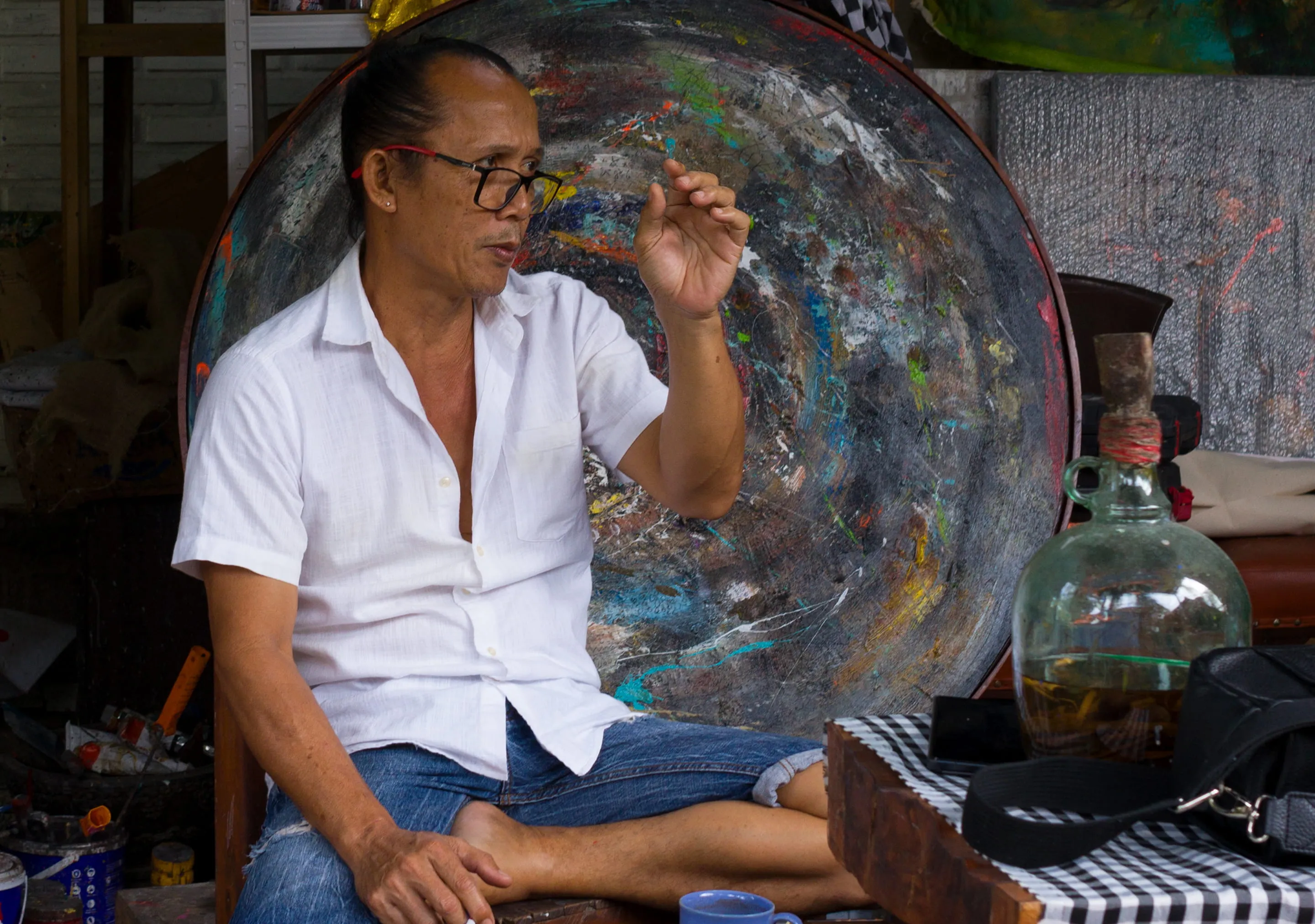
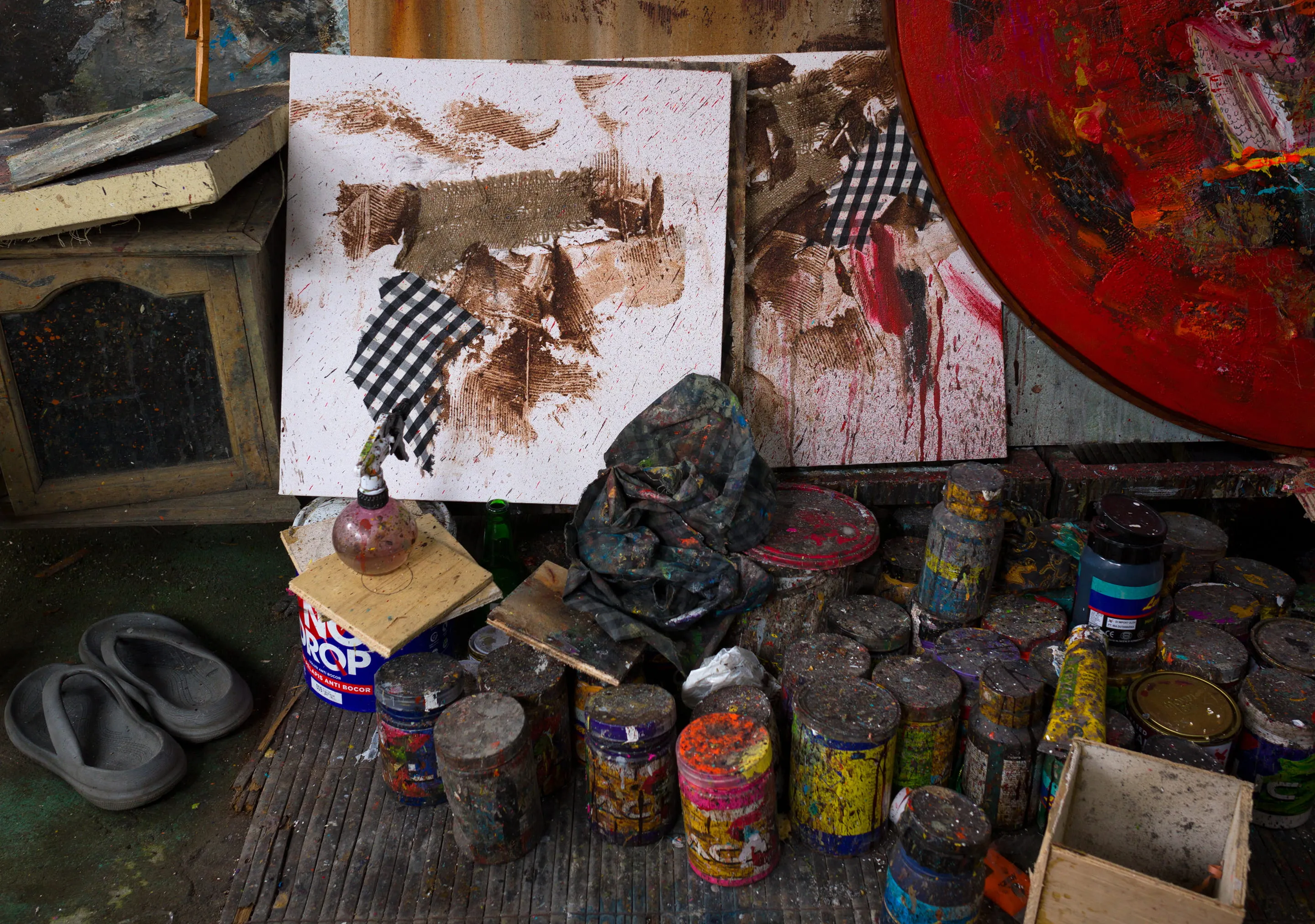
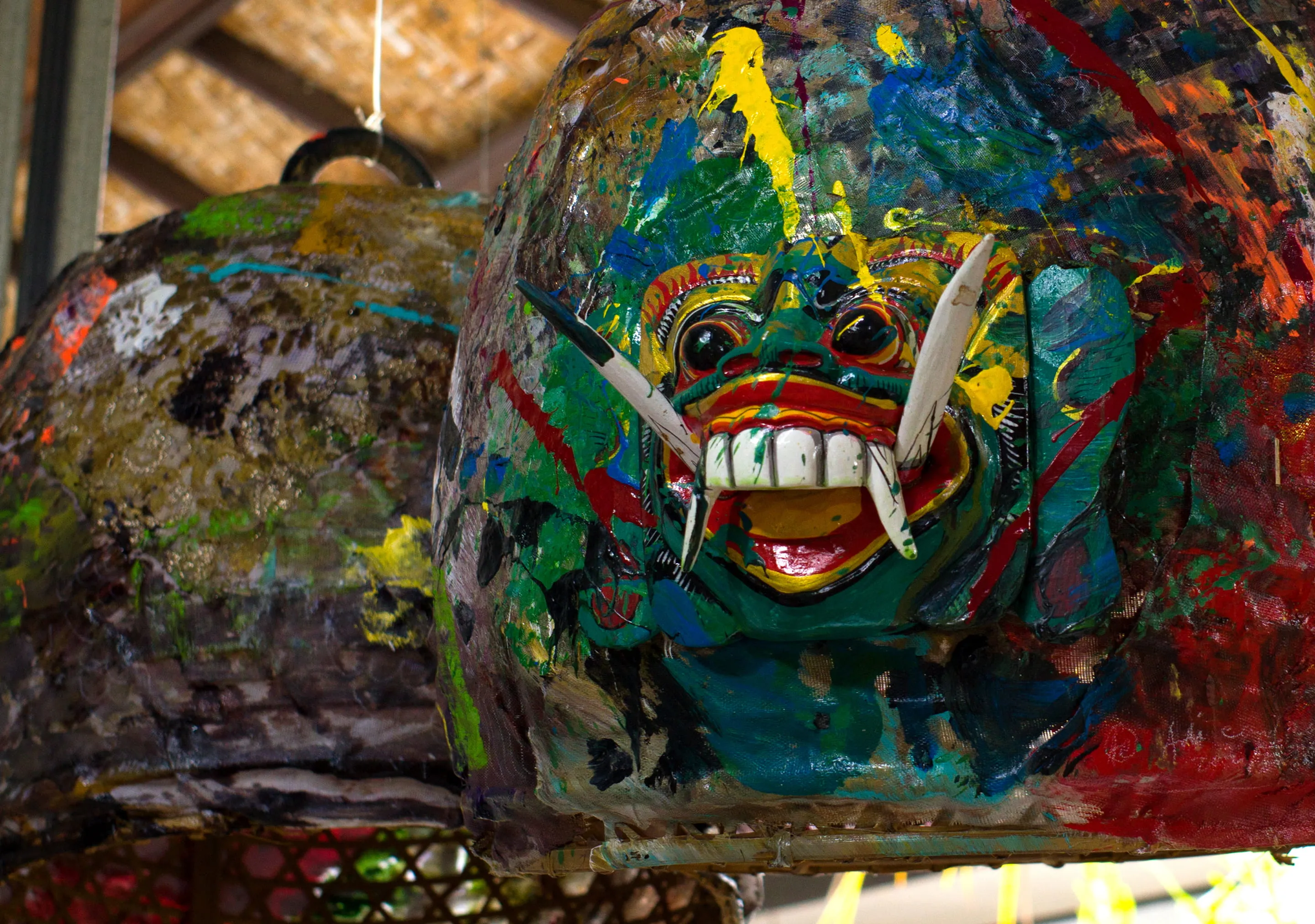
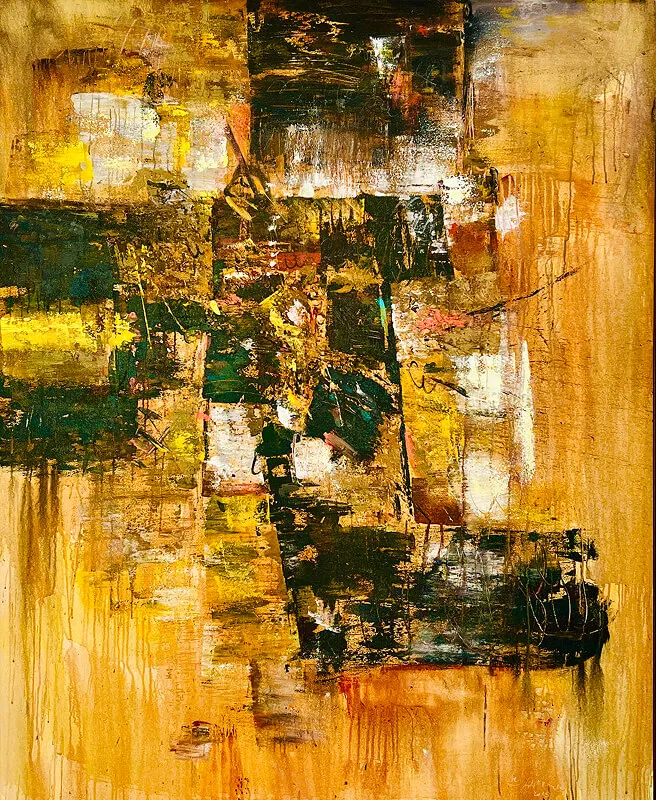
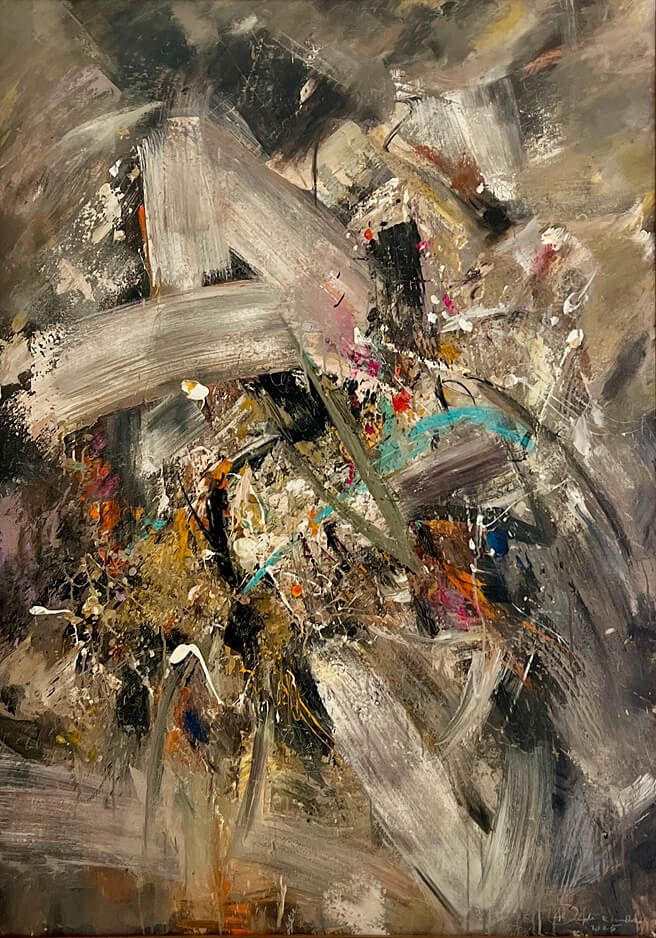
One of these steps was our introduction to Balinese artist and mystic Adi Candra. His works are a visual language that reveals hidden meanings, inner states, and the spiritual energy of Bali. Our collaboration with him allowed us to create another level of spatial perception: through art, we can communicate not only the atmosphere of a place, but also the philosophy of each individual project.
Adi Candra was born in Bali and lives in the Ubud region — a place where art, ritual, nature, and spiritual practices remain part of everyday life.
«I live in the Ubud area — in an environment where art and culture hold great power. The traditions of this place deeply influence my work and become a source of strength in both the artistic and spiritual worlds», says Adi Candra.
His path in art is inseparable from personal transformation. The artist speaks openly about a period that changed the way he perceived life, himself, and creativity.
«The most important moment in my life was when I was able to move beyond a difficult state, expand my consciousness, and deeply enter the spiritual world. It changed my mindset and opened my heart. I began to accept different situations through prayer, gratitude, and a deeper understanding of myself».